


Zhu Fengmei
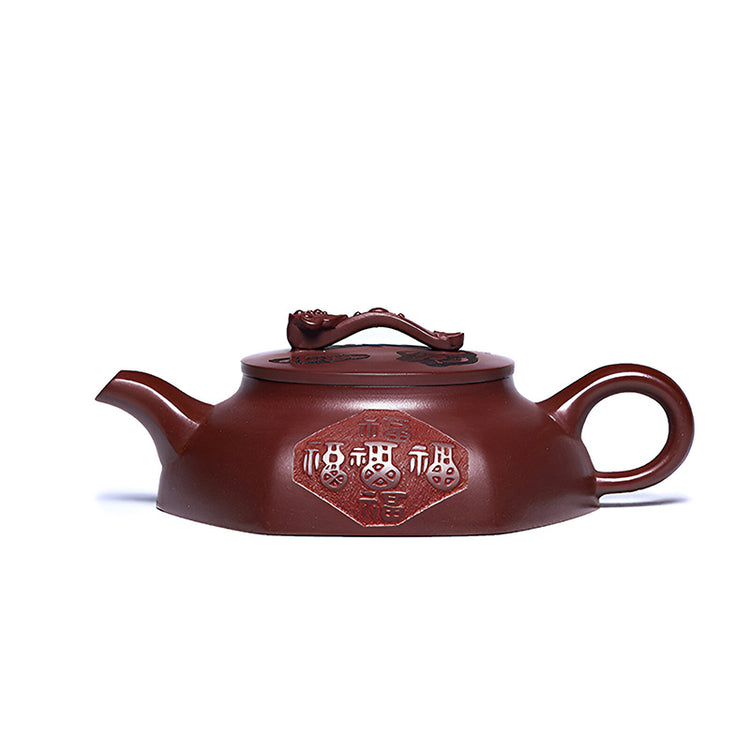
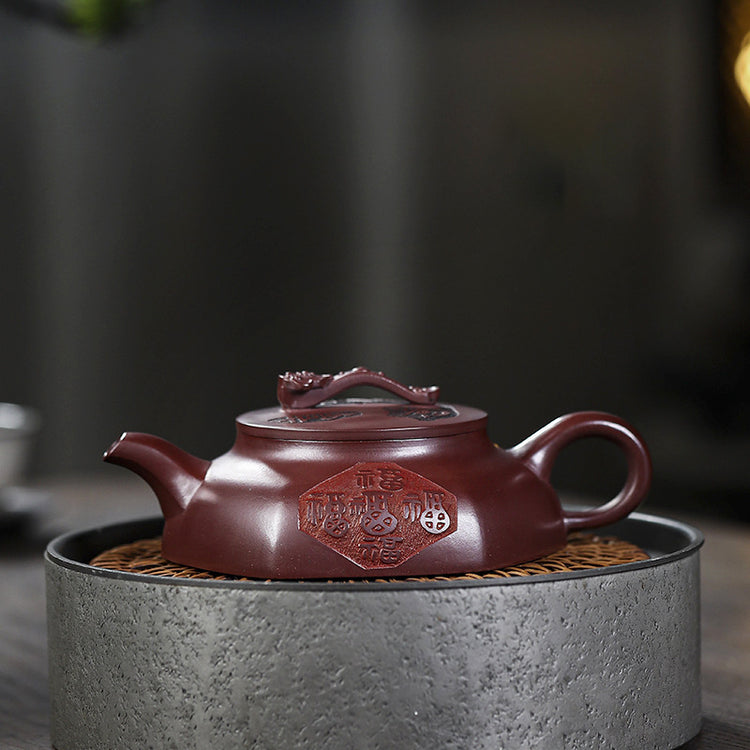
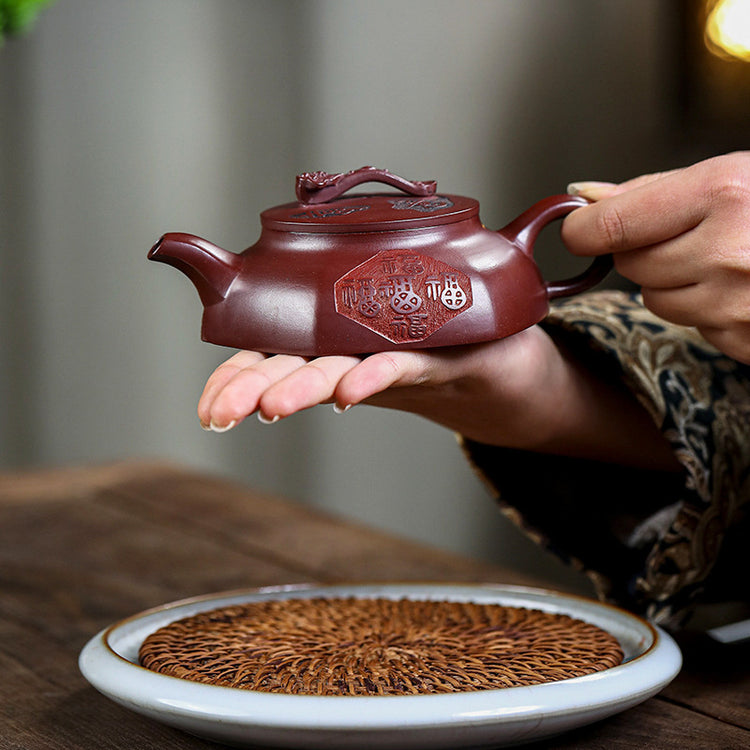
Bai Fu
- Regular price
- $149.99 USD
- Sale price
- $149.99 USD
- Regular price
-
$299.99
Quantity:

I see this teapot has "Bai Fu" on it, but how can I be sure the clay is real Yixing zisha and not just painted on?
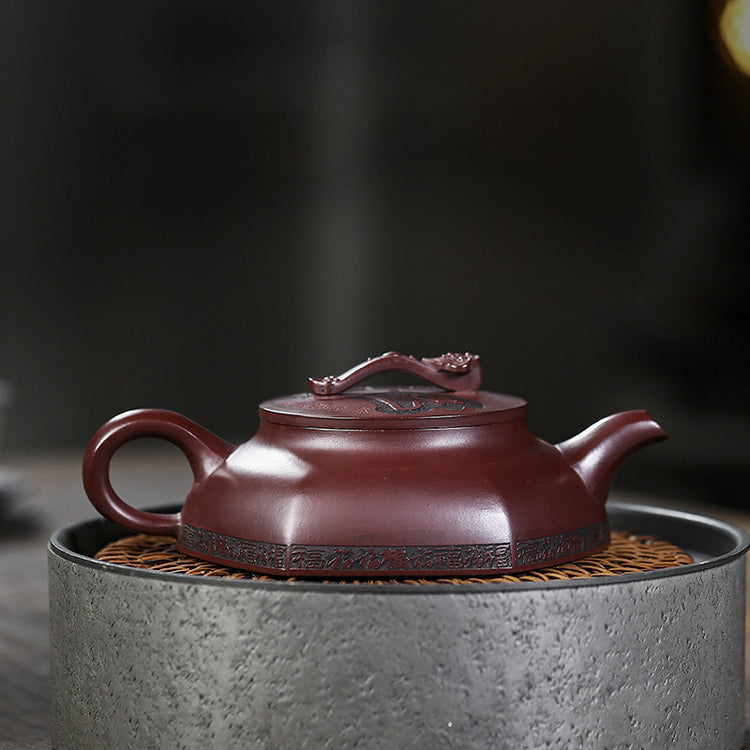
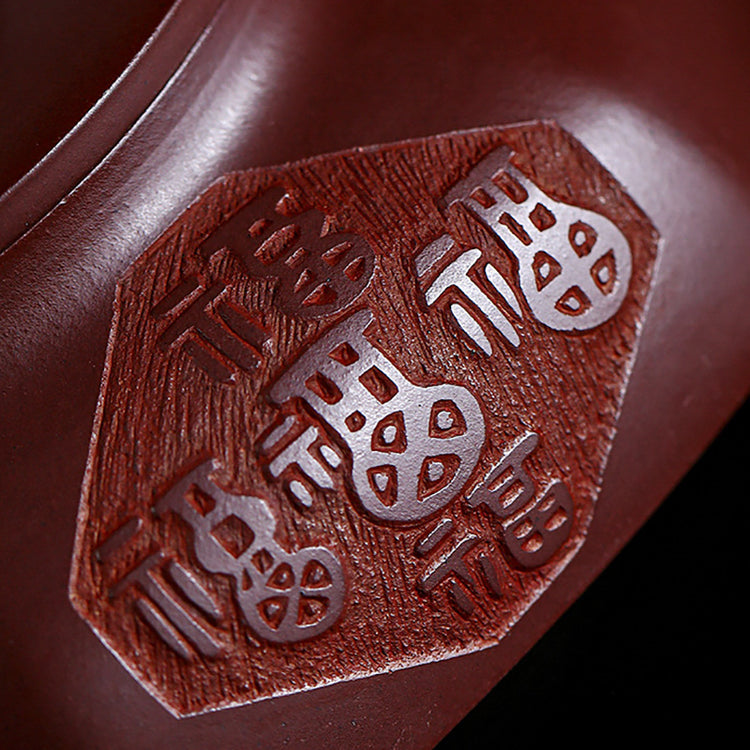
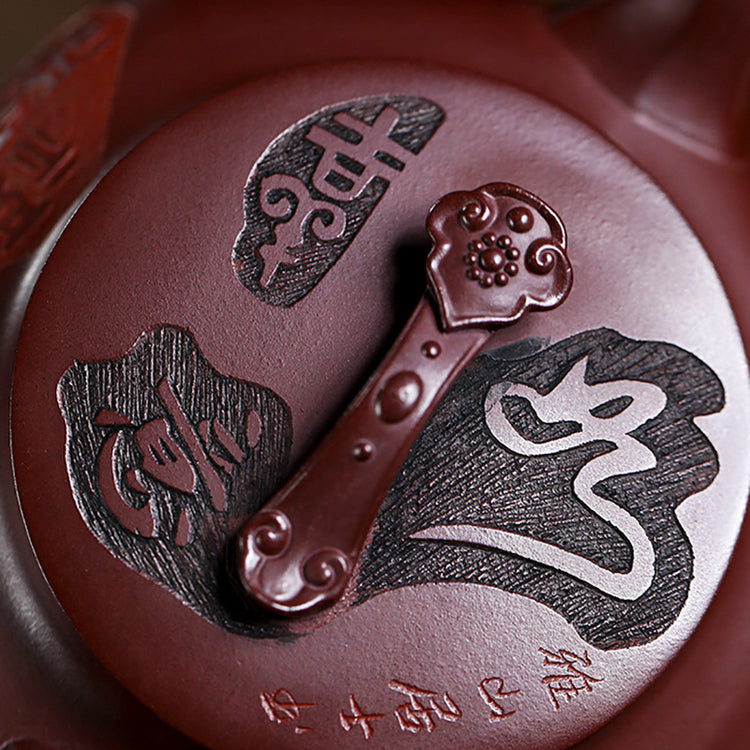
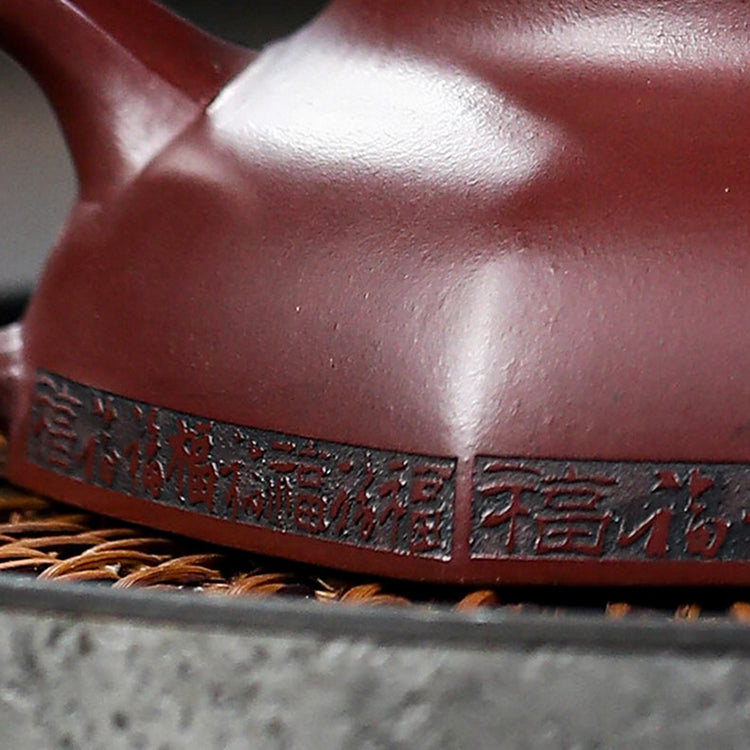
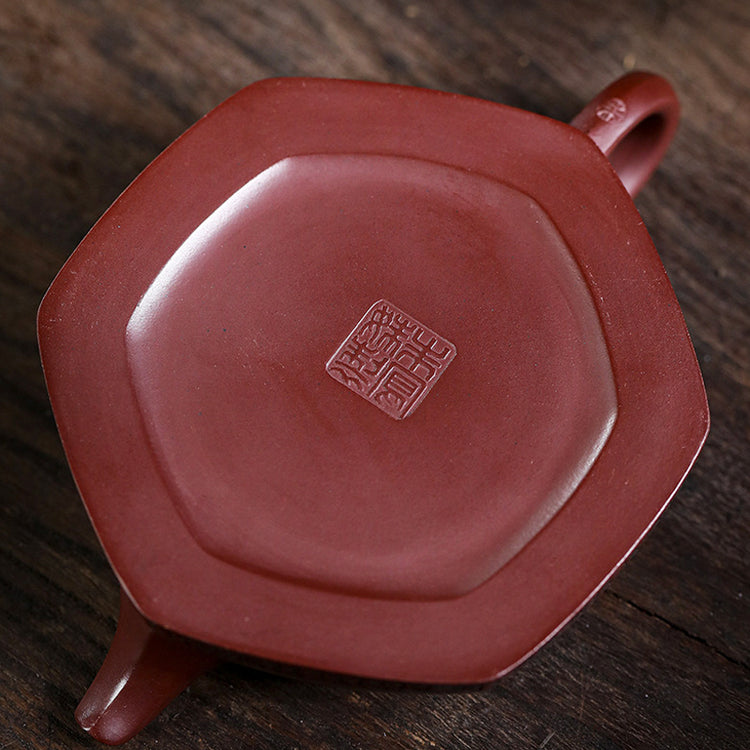
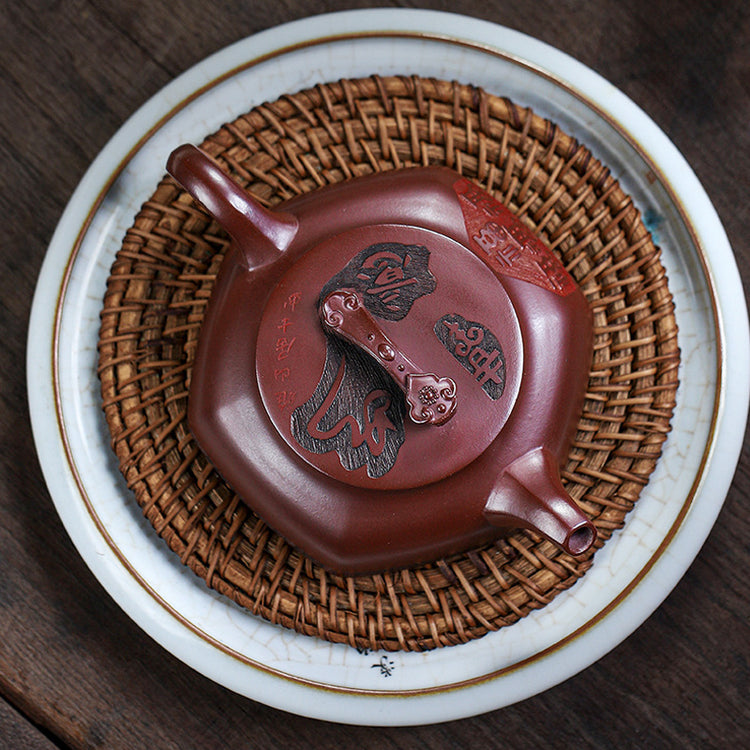
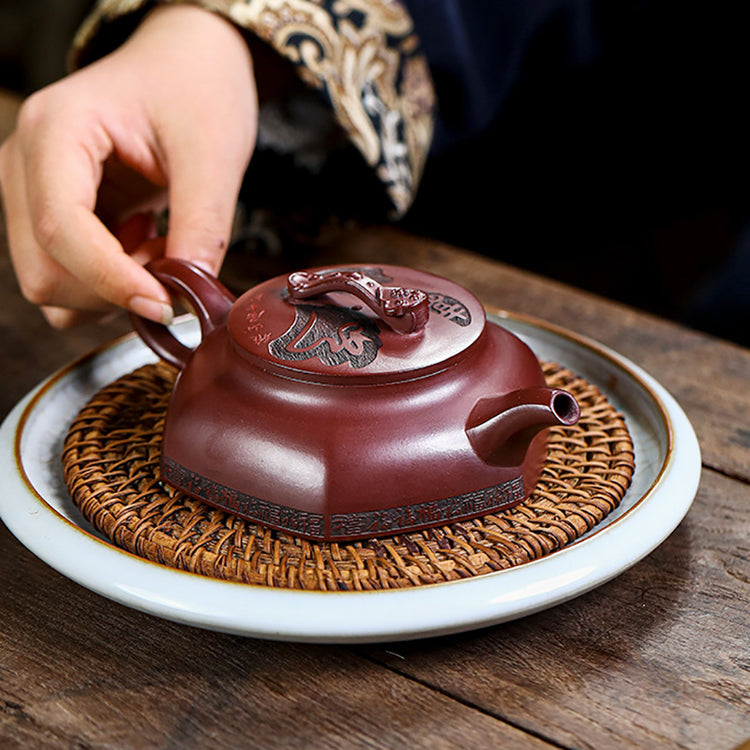
Great question! Our Bai Fu teapots are made from authentic Yixing zisha clay, with the Hundred Blessings motif carved directly into the clay surface before firing — not painted or decaled. You can verify authenticity by feeling the unique, slightly rough texture of the unglazed clay. Over time, the carving will gently absorb tea oils, darkening naturally while keeping every "fu" character crisp. We also offer
What exactly does the "Hundred Blessings" design mean, and is it appropriate to gift for a wedding or New Year?
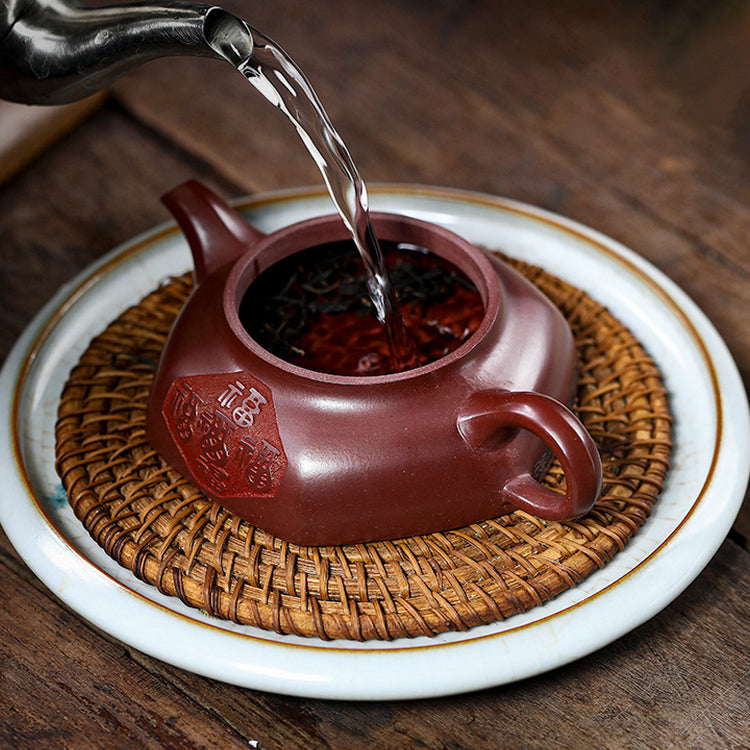
Absolutely — the Bai Fu motif is one of the most cherished auspicious designs in Chinese culture. It features 100 unique calligraphic variations of the character "fu" (福), meaning blessing or good fortune. Gifting this teapot for a wedding symbolizes a hundred blessings for the couple's new life together, while for Chinese New Year, it's a traditional way to wish abundant luck, happiness, and prosperity for the coming year. It also makes a thoughtful birthday gift, especially for elders who deeply appreciate cultural symbolism.
Does the carving of all these characters affect how the teapot brews tea, or is it purely decorative?
Not purely decorative at all! The hand-carved Bai Fu pattern actually adds a gentle texture to the inner and outer clay surface, which slightly increases the surface area for tea tannins to interact with the zisha. This can enhance the richness and smoothness of darker teas like ripe pu-erh, black tea, or oolong. While you won't get a dramatically different brew, many tea lovers feel the carved blessings infuse each session with a subtle, positive energy — both aesthetic and functional.
How do I care for this teapot? Can I use soap or put it in the dishwasher?
Please never use soap or a dishwasher! Zisha clay is porous and will absorb detergents, ruining the flavor of your tea. For daily care, simply rinse the pot with boiling water after each use and let it air dry upside down. Once a month, you can boil the empty pot in clean water for 10 minutes to refresh it. The color-change effect actually deepens and becomes more beautiful with regular brewing, as the clay seasons. Store it in a dry, ventilated place away from strong odors.
Is this teapot suitable for everyday use, or is it more of a display piece due to the intricate design?
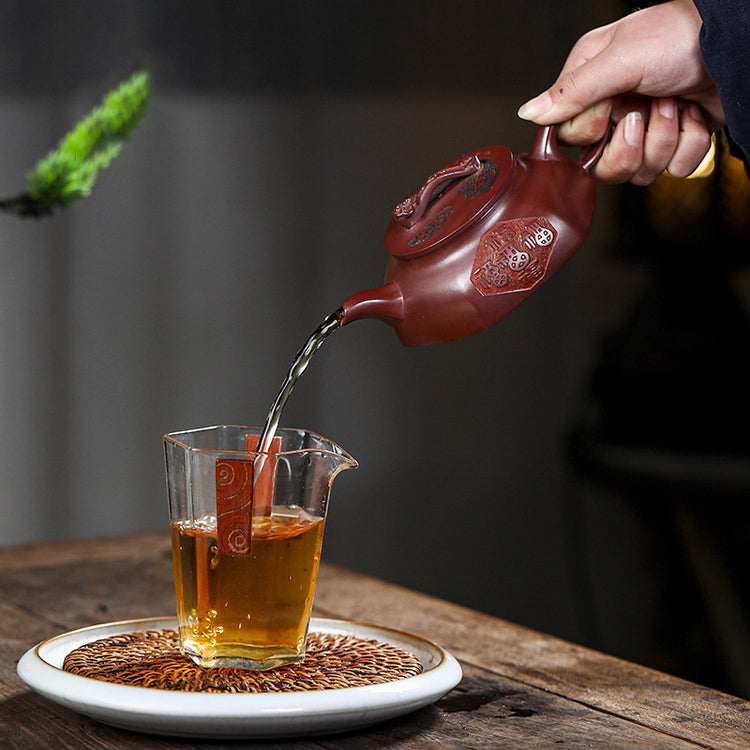
While the Bai Fu design is certainly stunning as a display piece, it is fully functional for daily brewing. Many of our customers enjoy using it as their regular teapot because the carving adds a tactile pleasure to each pour. That said, if you plan to use it daily, we recommend reserving it for one type of tea (like pu-erh or oolong) to let the clay develop a dedicated seasoning. If it's more for occasional gongfu sessions or display, the design will stay crisp and beautiful for years with minimal care.
Can I choose which tea to season my Bai Fu teapot with, and will the blessings pattern affect the seasoning process?
Yes, you can absolutely choose your preferred tea for seasoning! We suggest a high-quality ripe pu-erh or a dark oolong to start, as these help build a gentle seasoning quickly. The carved characters do not interfere with seasoning — in fact, the slight texture from the engraving can help the tea oils adhere more evenly across the clay surface. Just remember to dedicate the pot to one tea family (e.g., only shou pu-erh or only black tea) to avoid flavor mixing. The result is a beautifully seasoned teapot with a hundred blessings infused into every brew.
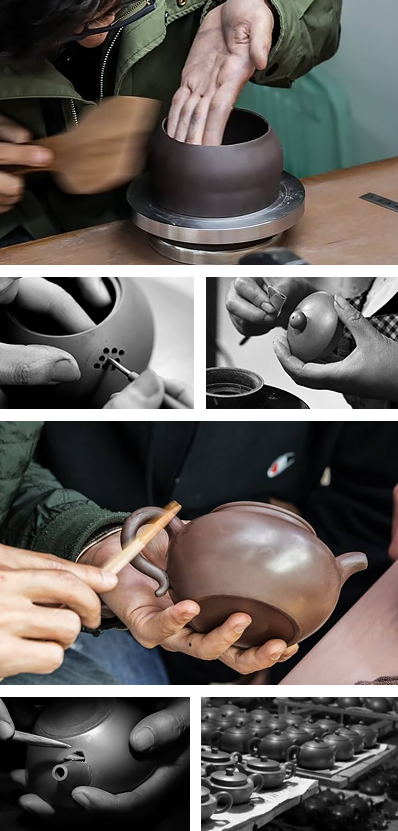
Making Process
Description
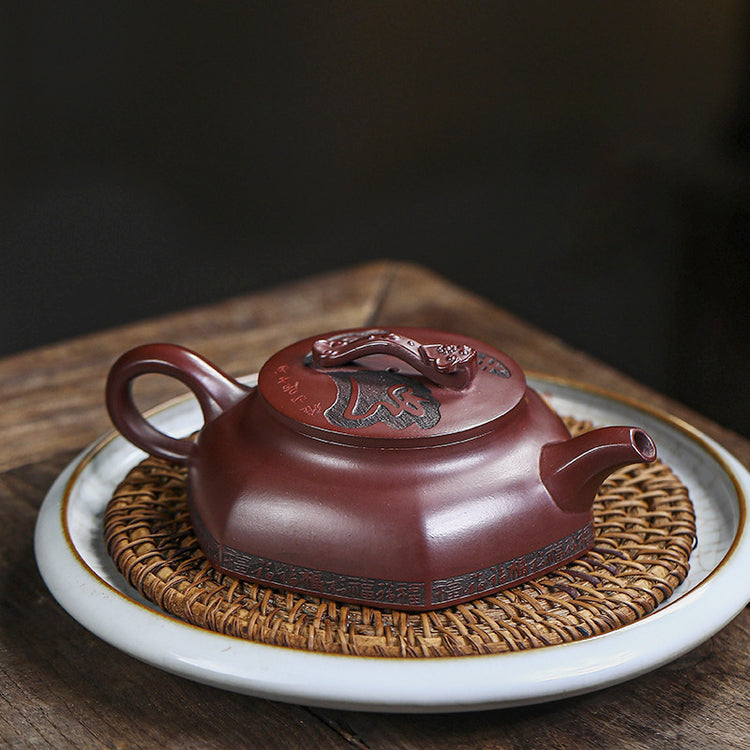
In the quiet of a morning mist, Bai Fu whispers of ancient tea gardens. Its name, meaning 'Hundred Blessings,' carries the warmth of shared moments and the promise of serenity. Hold it, and feel the gentle curve that cradles your palm like an old friend's hand—a vessel not just for tea, but for tranquility.
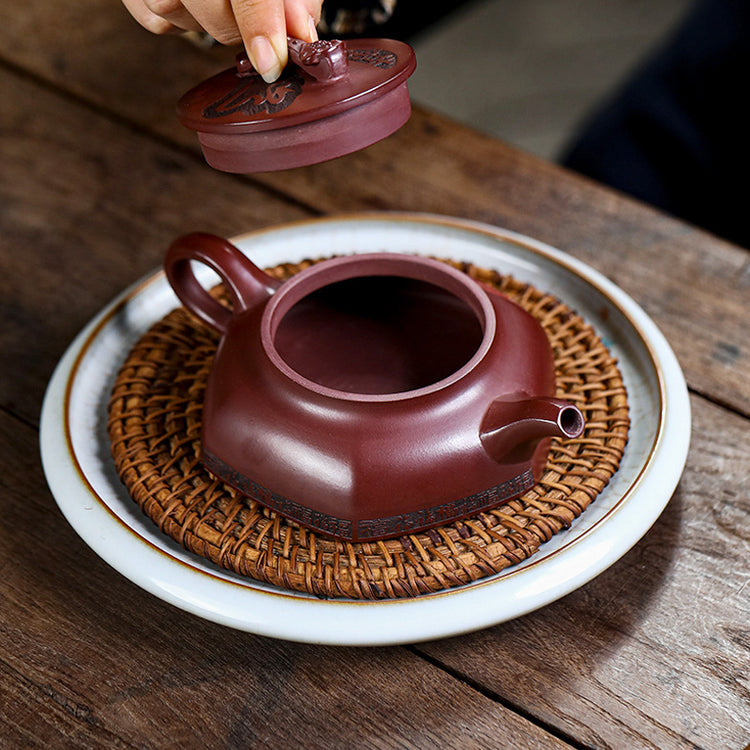
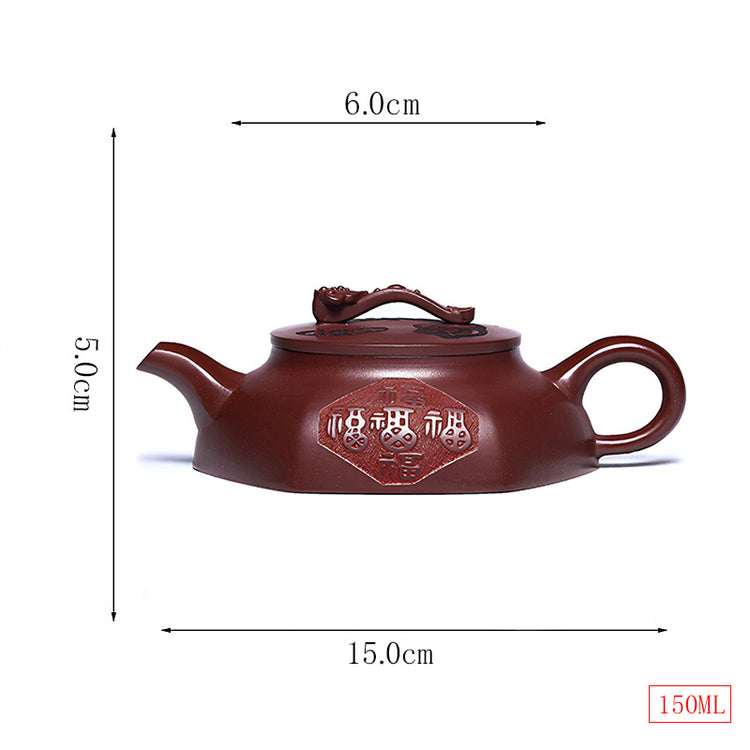
【Total length】: 15.0 CM
【Total height】: 6.0 CM
【Caliber】: 5.0 CM
【Capacity】: 150 ML
Specification
Food-Safe:✔
Dishwasher:✖
Microwave:✖
Direct Heat on Stove:✖
Hot Water:✔
Description
In the quiet of a morning mist, Bai Fu whispers of ancient tea gardens. Its name, meaning 'Hundred Blessings,' carries the warmth of shared moments and the promise of serenity. Hold it, and feel the gentle curve that cradles your palm like an old friend's hand—a vessel not just for tea, but for tranquility.
【Total length】: 15.0 CM
【Total height】: 6.0 CM
【Caliber】: 5.0 CM
【Capacity】: 150 ML
Specification
Food-Safe:✔
Dishwasher:✖
Microwave:✖
Direct Heat on Stove:✖
Hot Water:✔