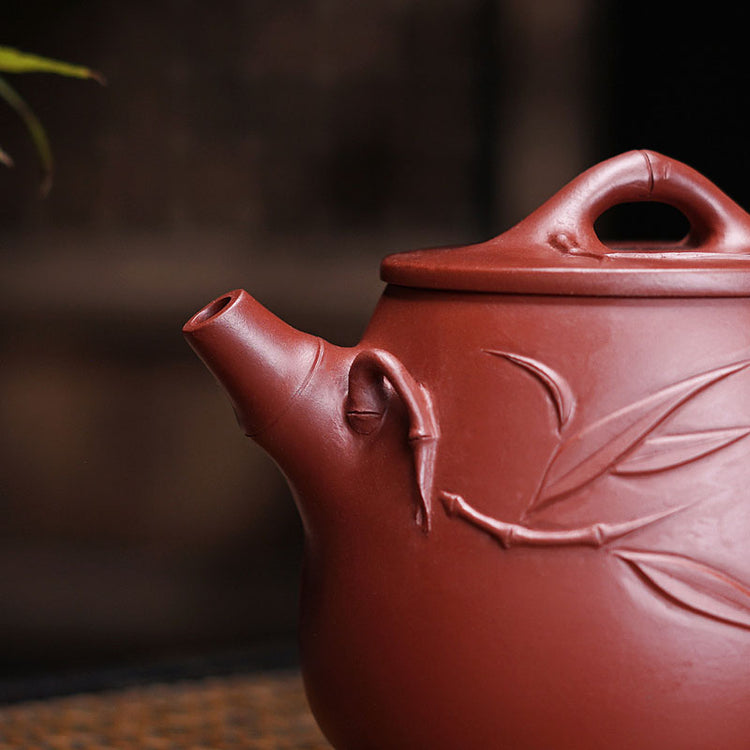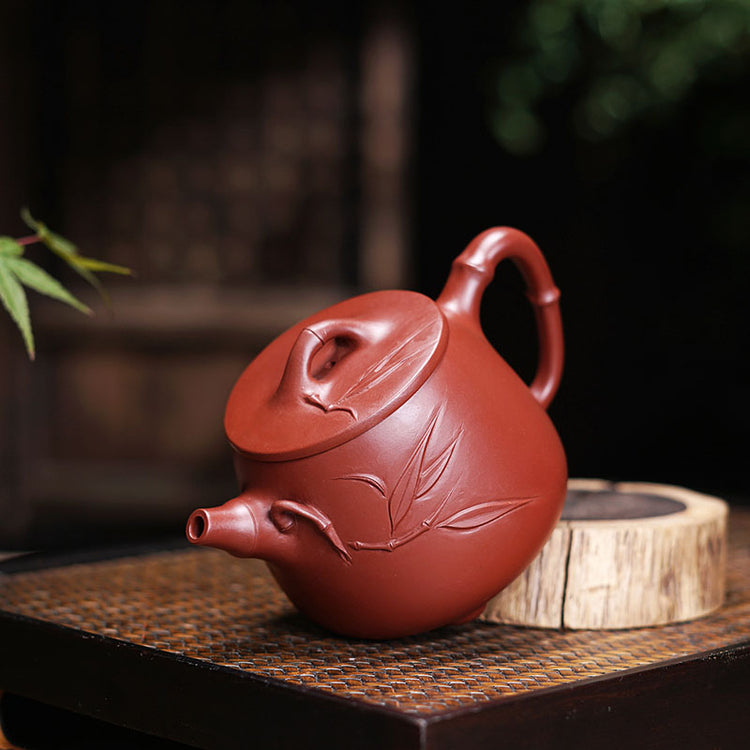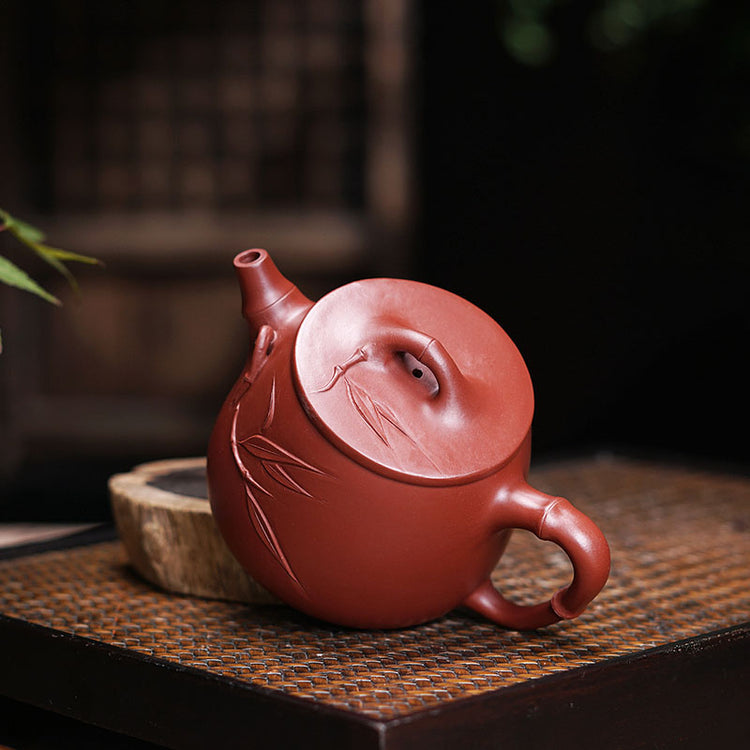

I love the bamboo design on this pot, but how can I be sure the clay is authentic Yixing Zisha? I've seen fakes online.
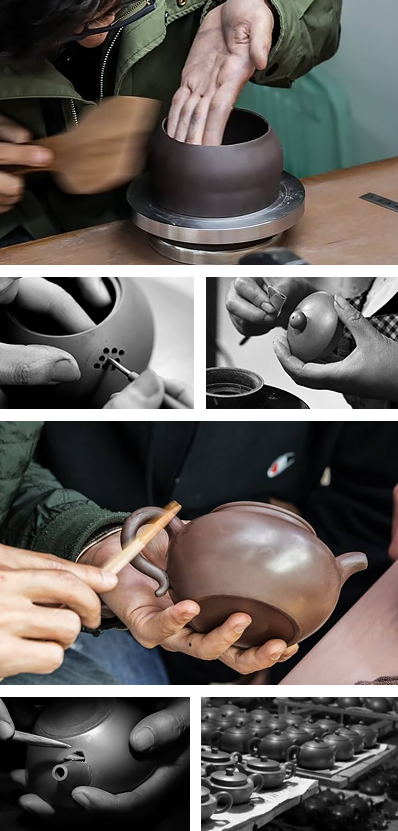
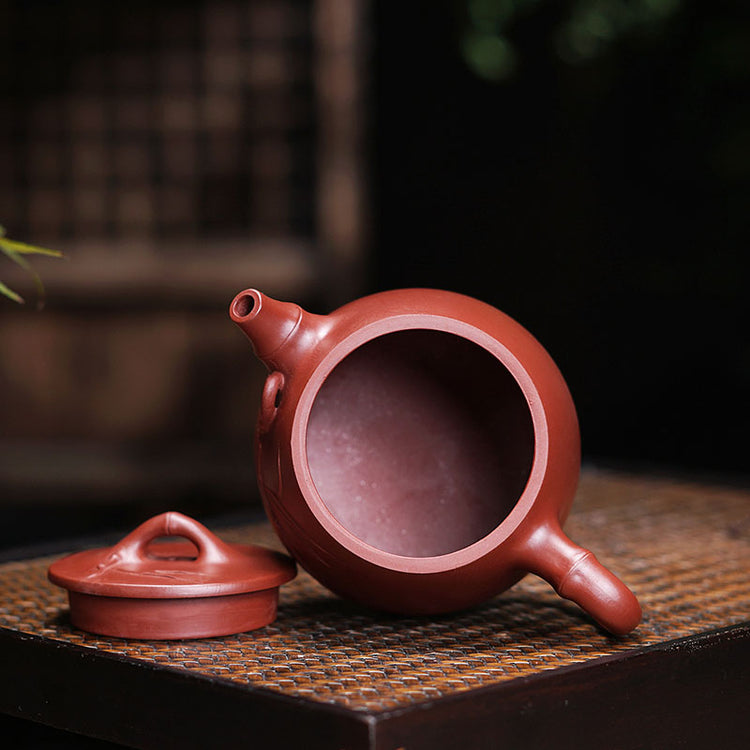
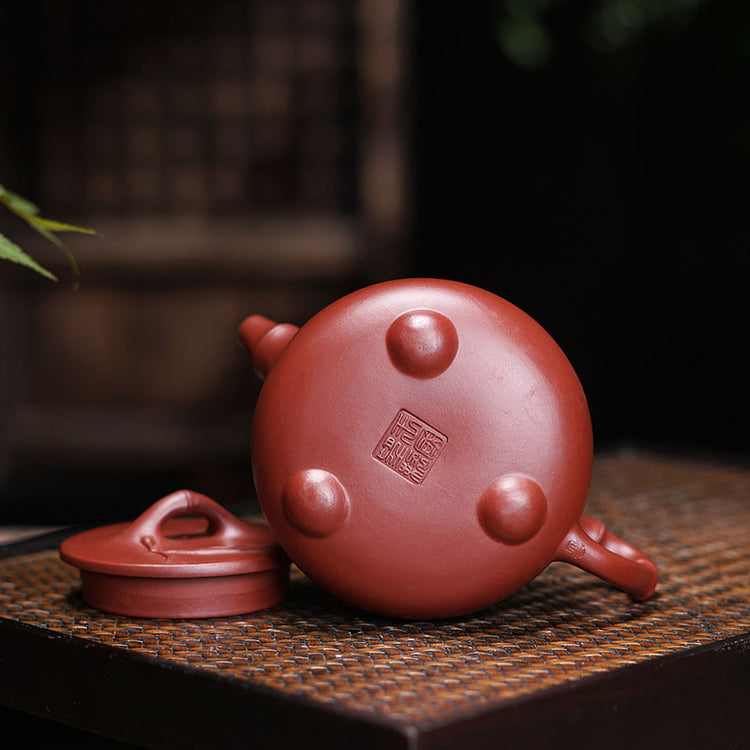
Great question! The Bamboo II is made from genuine Yixing Zisha clay, specifically a high-quality 'Zini' (purple clay) sourced from the Huanglong Mountain mines in Yixing, China. Each pot is handcrafted by skilled artisans, and the surface has that signature subtly grainy texture—not perfectly smooth like machine-made imitations. We also provide a certificate of authenticity with every purchase. If you're ever unsure, a quick test is to pour hot water over the pot: real Zisha absorbs moisture quickly and develops a warm, matte sheen, while fakes often bead up or look overly shiny.
Does the bamboo carving actually affect the tea's flavor, or is it just decorative?
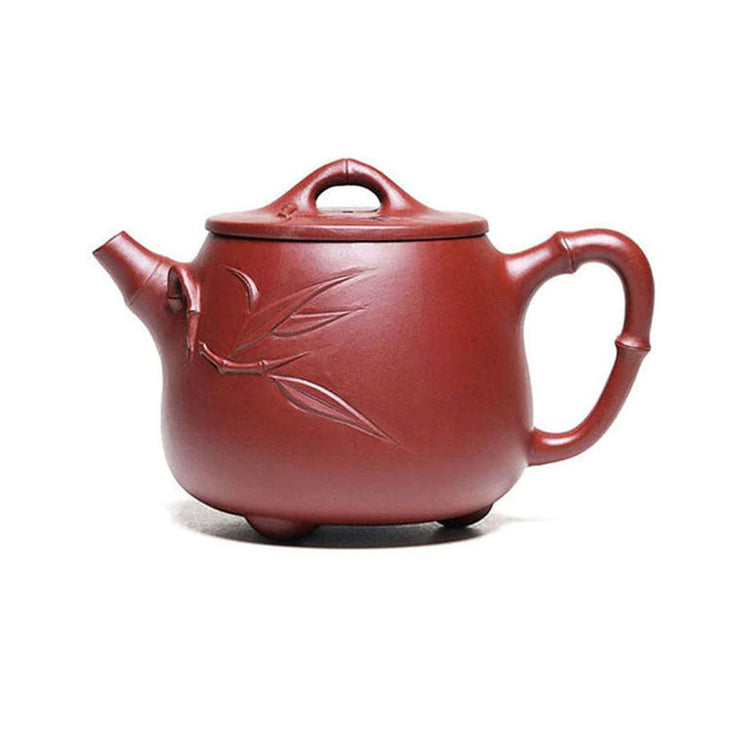
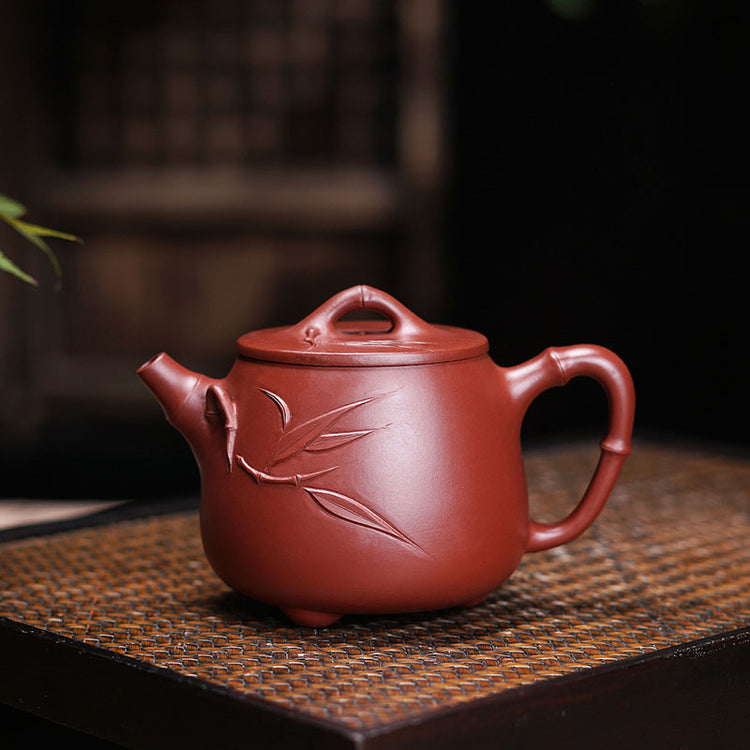
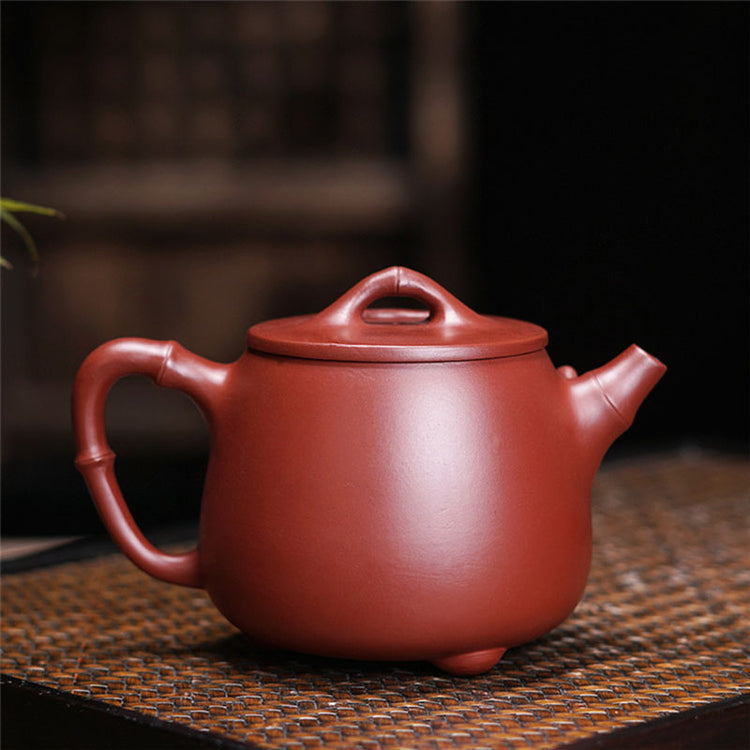
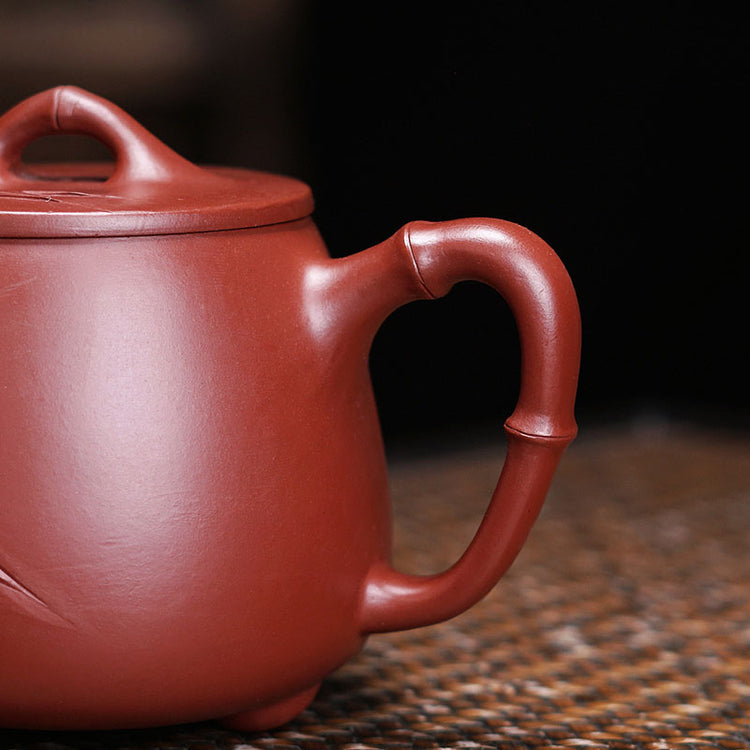
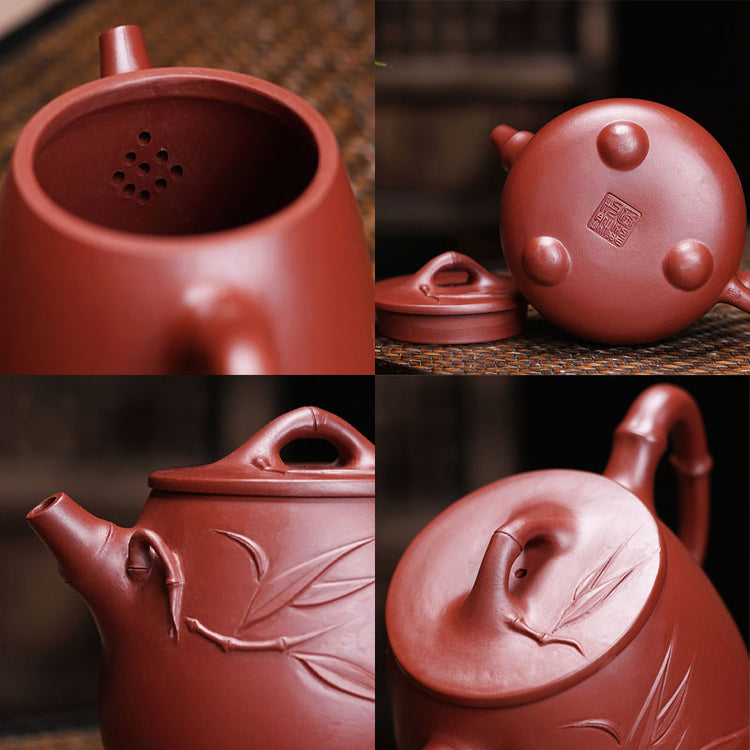
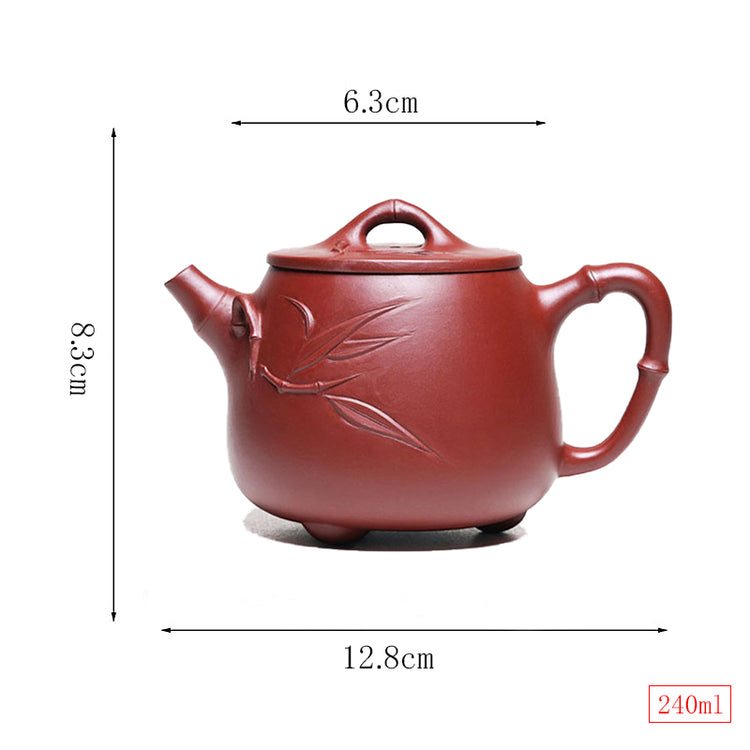
It's both beautiful and functional! The bamboo motif isn't just carved onto the surface; the pot's shape incorporates subtle ridges and a naturalistic bamboo-stem handle. This design helps with heat dissipation in a balanced way, allowing the tea leaves to steep evenly without scalding. Specifically for brewing raw pu'er or light oolongs, the slightly porous Zisha clay and the pot's form work together to soften any harsh notes, while the bamboo theme brings a sense of calm. It's like a little zen ritual every time you brew.
I want to keep the bamboo pattern looking crisp. What's the best way to clean this pot without damaging the carving?
Absolutely, the bamboo details deserve gentle care. Never use soap or detergent—Zisha clay is porous and will absorb the chemicals. Instead, after each use, rinse the pot with plain boiling water, using a soft bristle brush only if needed. For the carved areas, just let warm water flow over them; don't scrub hard. Then air-dry the pot with the lid off. Over time, the bamboo pattern will develop a natural patina that actually makes the carvings pop more, rather than fading. Steer clear of any scouring pads or harsh chemicals, and it will stay beautiful for decades.
I've heard bamboo represents something special in Chinese culture. What's the story behind this design?
You've touched on something really meaningful! In Chinese culture, bamboo symbolizes resilience, humility, and integrity—it bends but never breaks. This pot's design draws from that tradition, often paired with the phrase 'Zhu Bao Ping An' (bamboo bringing safety and peace). The artist sculpted the spout to echo a bamboo branch and added subtle leaf engravings to invite a sense of quiet strength into your tea session. It's not just a teapot; it's a daily reminder to stay grounded, much like a bamboo grove weathering the wind.
Would this be a good gift for someone who's new to tea, or is it more for collectors? I'm thinking of my mom's birthday.
It's a wonderful choice for your mom, even if she's new to tea! The Bamboo II is approachable partly because of its design—most people instantly connect with the bamboo motif, and it doesn't look intimidatingly fancy. The pot is also a practical size for two or three cups, so it won't overwhelm a beginner. Plus, gifting it carries a lovely message: in Chinese tradition, bamboo is associated with well-wishes for a peaceful, flexible spirit—perfect for a birthday. Just be sure to include a simple care guide with it, and she'll be brewing like a pro in no time.
Is this pot suitable for everyday use, or should I save it for special occasions? I don't want to wear out the carving.
This pot is built to be a daily companion, not just a showpiece! Yixing Zisha actually improves with regular use, as the clay absorbs the tea oils and develops a richer patina. The bamboo carving is deep enough that daily handling won't wear it down—just avoid clanking it against hard surfaces. Many of our customers use their Bamboo II every morning for their favorite pu'er or oolong. That said, if you want to keep it pristine for display, you certainly can, but it's a joy to use. My advice? Brew with it often—the bamboo's texture actually gets more beautiful over time