


Lin Changdi
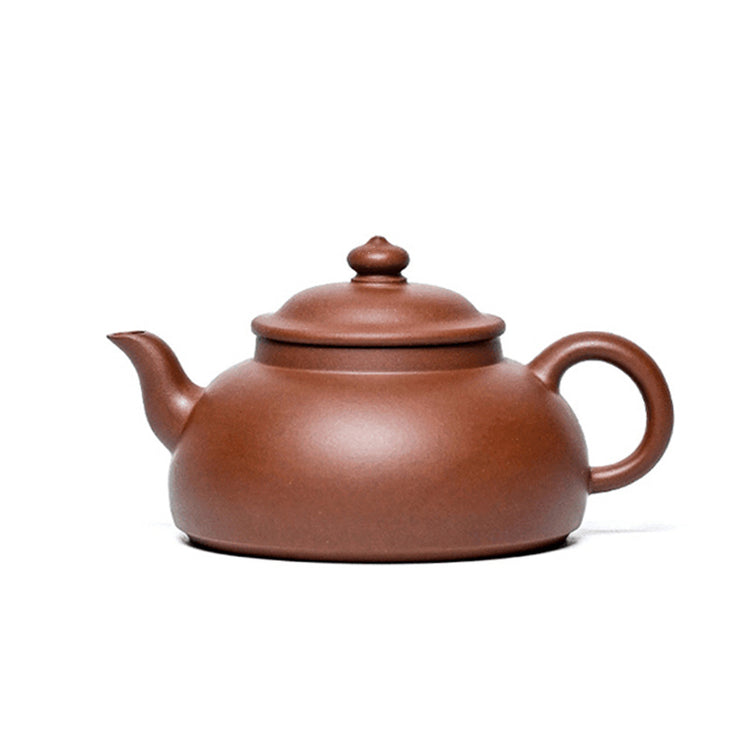
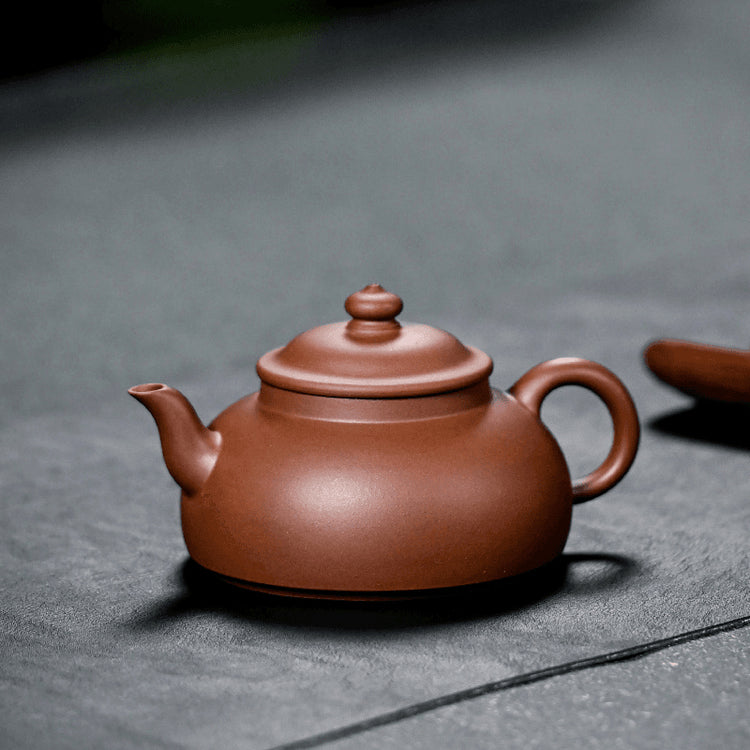
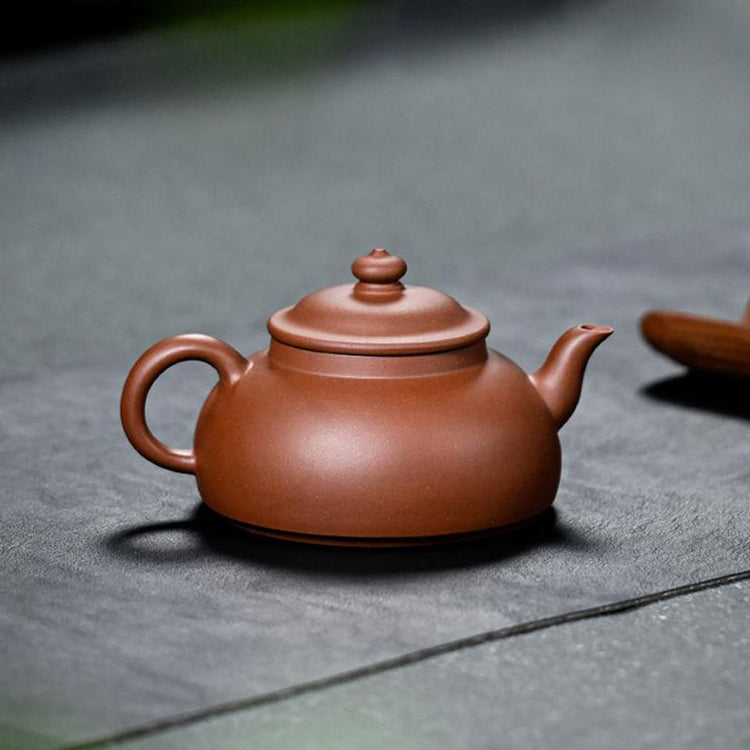
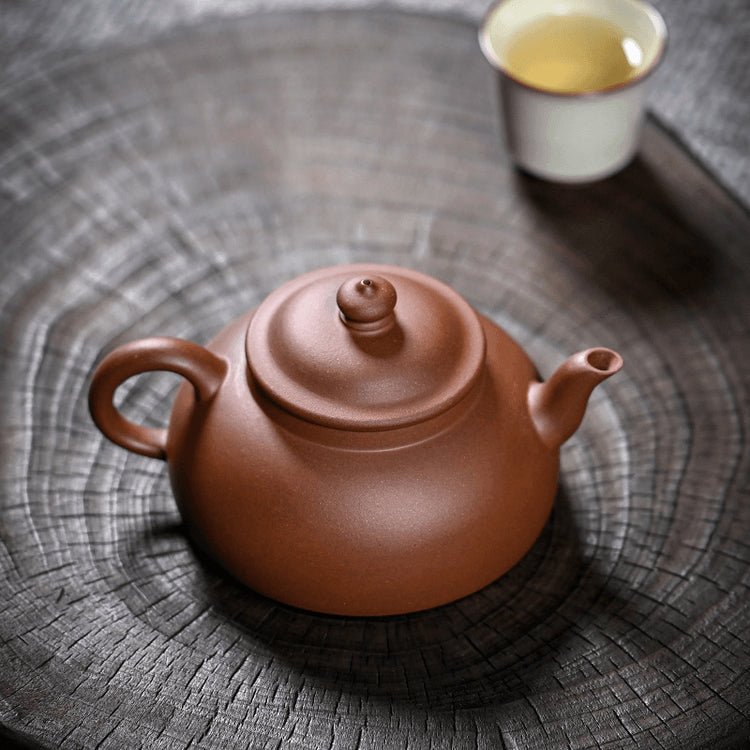
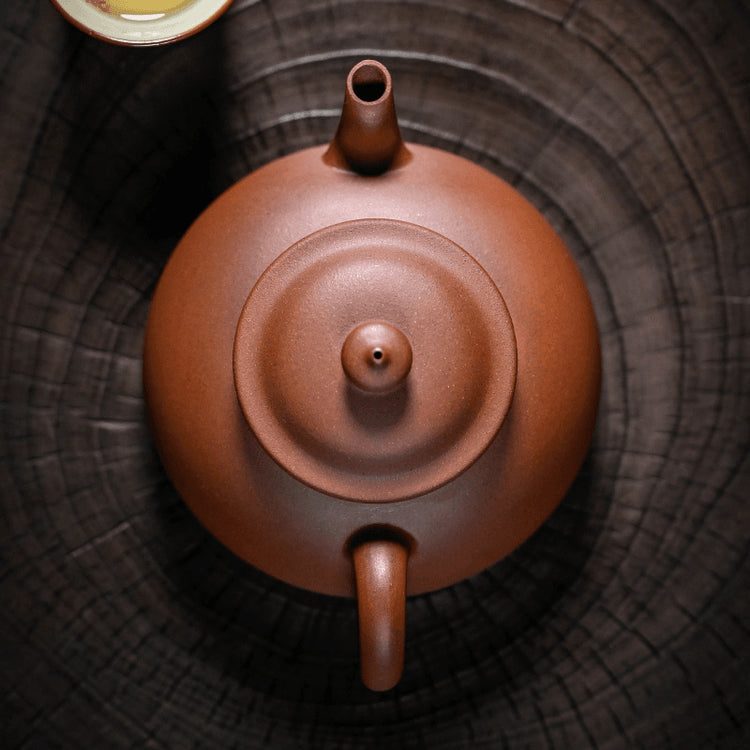
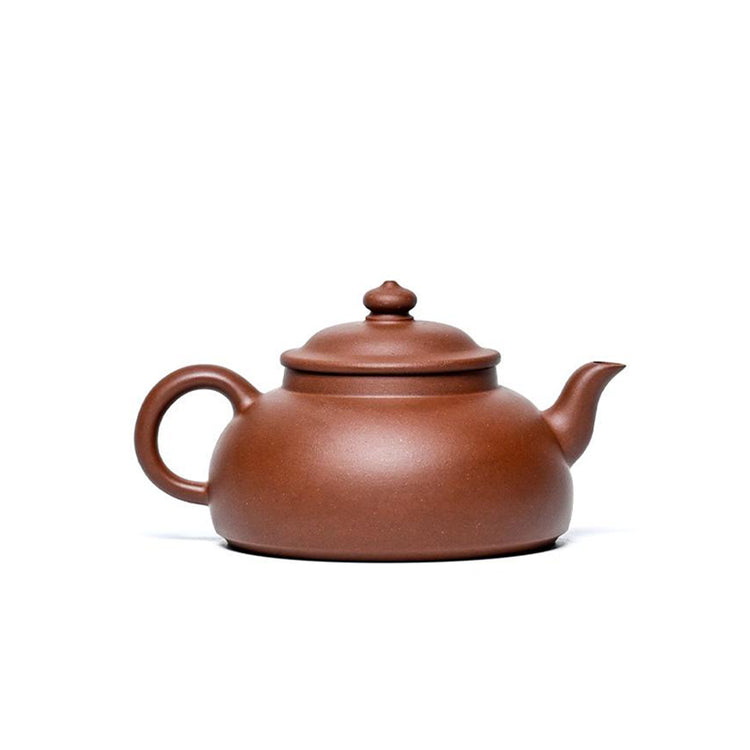
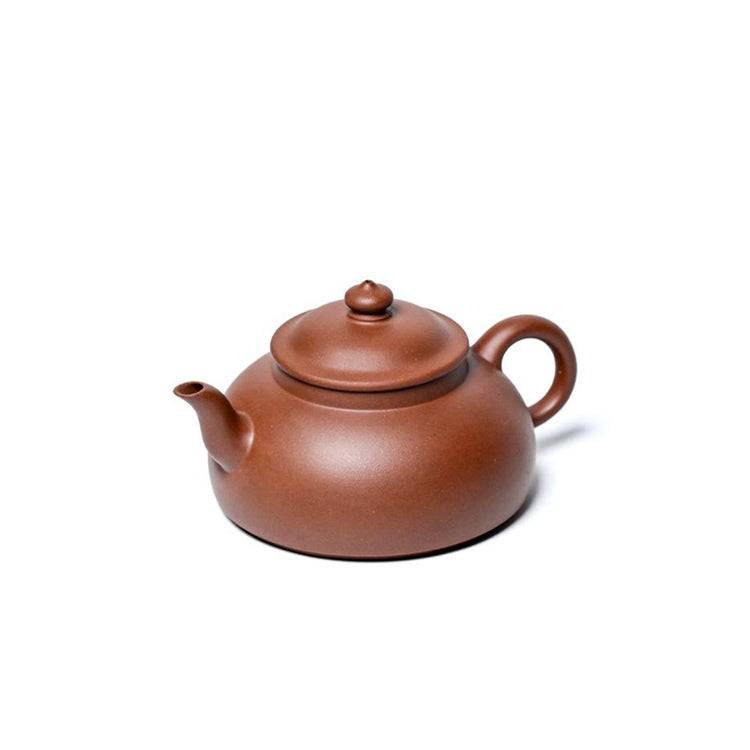
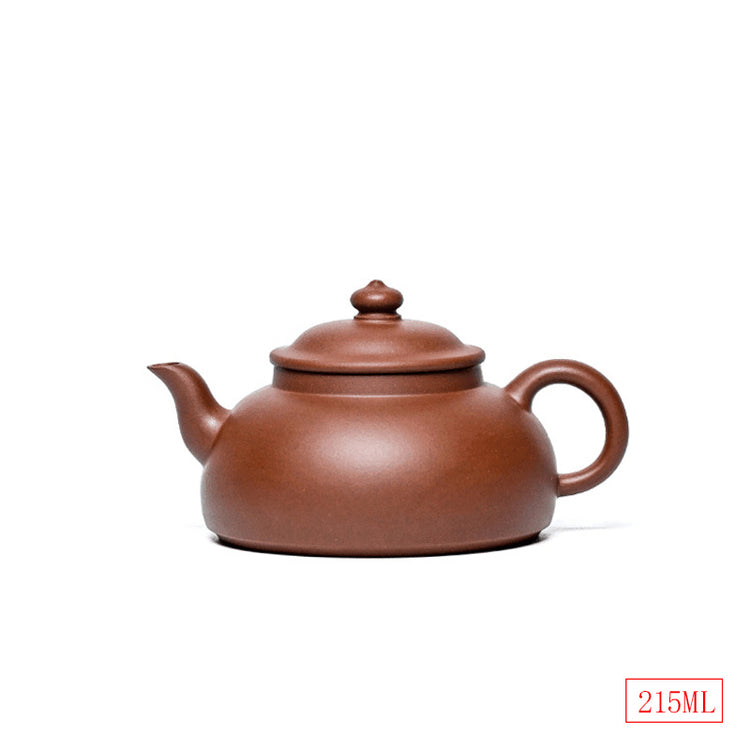
Di Cao Qing - Half Moon
- Regular price
- $139.99 USD
- Sale price
- $139.99 USD
- Regular price
-
$399.99
Quantity:

What makes Di Cao Qing different from other Zisha clays, and how does it affect the Half Moon teapot’s performance?
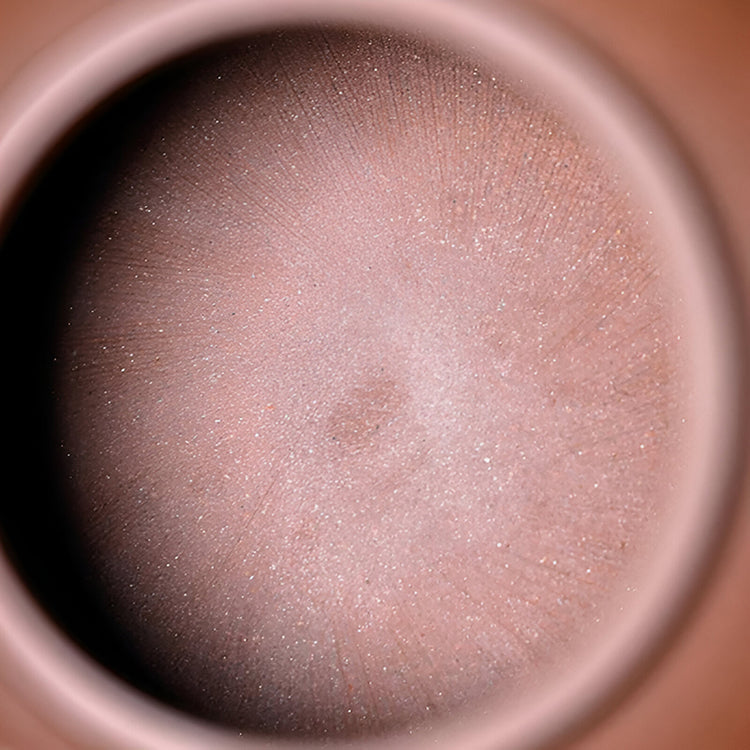
Di Cao Qing is a rare, low-temperature Zisha clay known for its fine texture and naturally muted, bluish-gray tone. In the Half Moon design, it enhances heat retention and distribution, making it ideal for brewing lighter teas like green or white tea, as it subtly tempers astringency while preserving floral and vegetal notes.
Does the Half Moon shape influence the tea brewing experience compared to a rounder teapot?
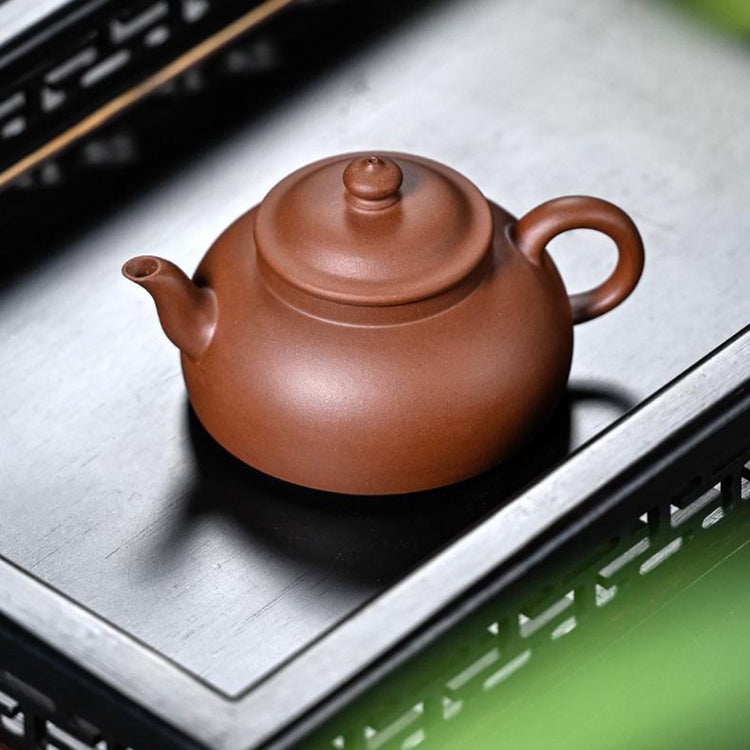
Yes. The Half Moon’s low, wide profile and gentle curve increase the surface area of the clay in contact with water, promoting even heat dispersion. This shape also allows tea leaves more room to unfurl, which is particularly beneficial for rolled oolongs or delicate leaves, while the compact lid helps lock in aroma.
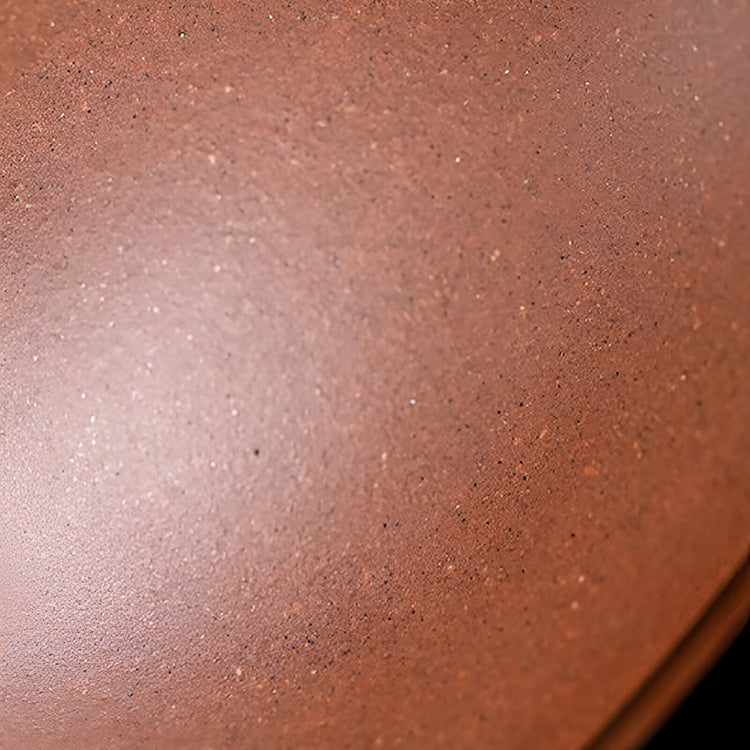
Why is Di Cao Qing often described as having a ‘jade-like’ feel, and how should I care for this teapot to maintain its patina?
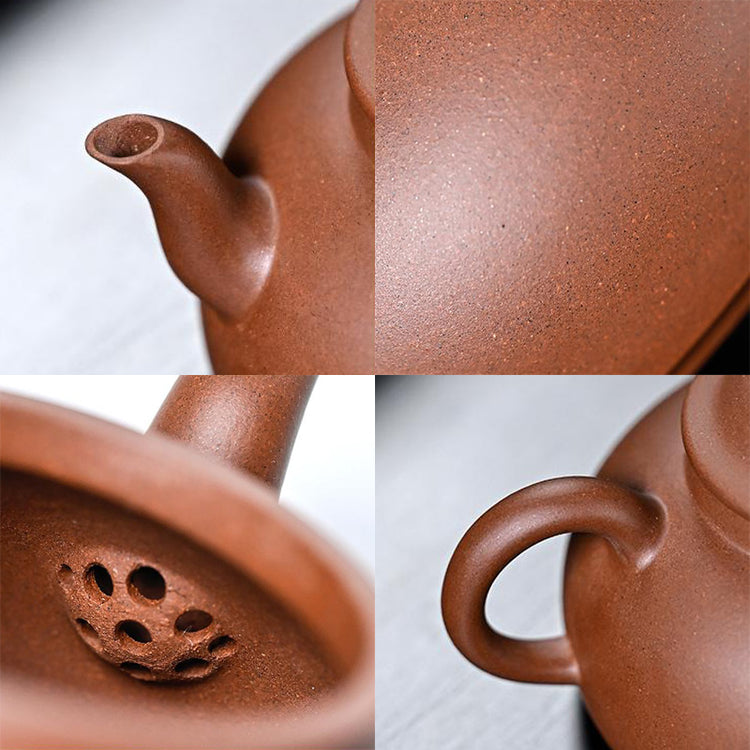
Di Cao Qing develops a smooth, slightly glossy surface with use, resembling jade due to its high iron content and fine particle structure. To nurture its patina, use only one tea type, rinse with hot water after each session (avoid soap), and let it air dry thoroughly. Over time, the clay will deepen in color and become more lustrous.
Can I use this Half Moon teapot for teas with bold flavors like ripe pu-erh or black tea?
While Di Cao Qing is exceptionally versatile, its porous nature tends to absorb and soften strong flavors. For ripe pu-erh or heavy black teas, we recommend dedicating the teapot exclusively to one tea category to avoid flavor crossover. The Half Moon’s wide body helps mitigate some intensity, but note that the clay’s gentler character favors nuanced, high-aroma teas.
Is the Di Cao Qing Half Moon teapot suitable for beginners due to its shape or clay properties?
Absolutely. The Half Moon’s stable, low center of gravity makes it easy to handle and pour accurately. Di Cao Qing is also more forgiving than denser clays, as it cools slightly faster after brewing, reducing the risk of over-steeping. However, beginners should practice pouring with hot water first to master the spout’s angle.
Does the Half Moon design affect how the teapot’s lid seals and retains heat differently than a traditional round teapot?
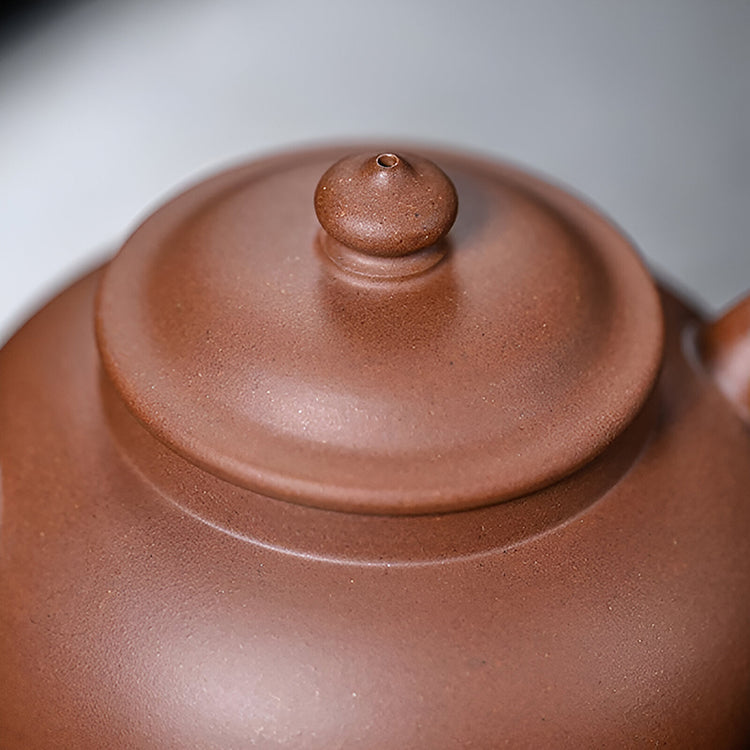
Yes. The Half Moon’s lid is slightly recessed, creating a tighter seal that minimizes heat loss from the top. This design pairs well with Di Cao Qing’s natural porosity, which slowly releases heat through the walls rather than the lid. As a result, the teapot maintains a stable brewing temperature, especially for teas that need consistent heat without rapid cooling.
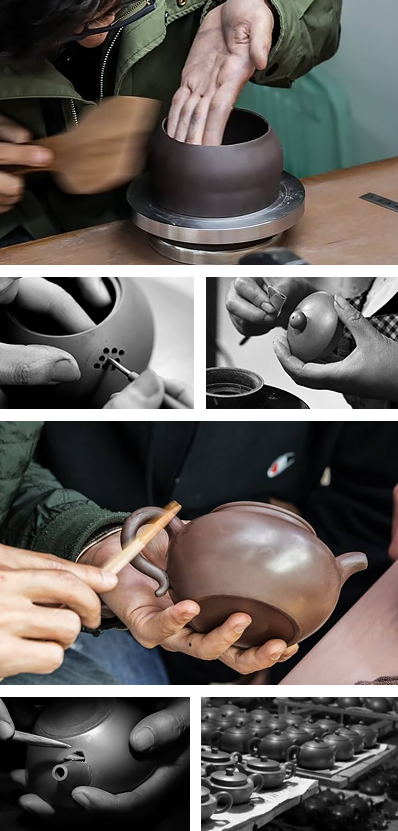
Making Process
Description
【Capacity】: 215 ML
Specification
Food-Safe:✔
Dishwasher:✖
Microwave:✖
Direct Heat on Stove:✖
Hot Water:✔
Description
【Capacity】: 215 ML
Specification
Food-Safe:✔
Dishwasher:✖
Microwave:✖
Direct Heat on Stove:✖
Hot Water:✔