
Lin Changdi

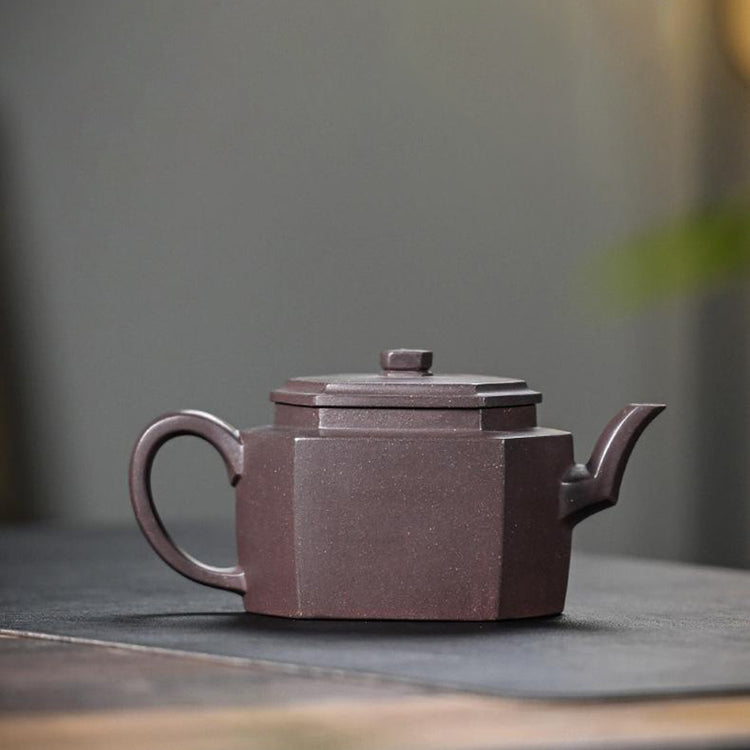
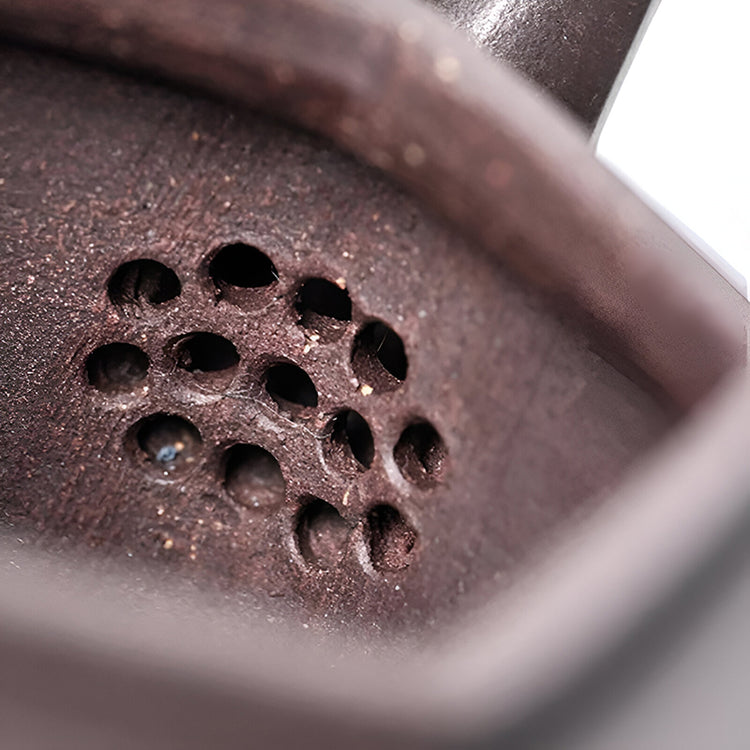
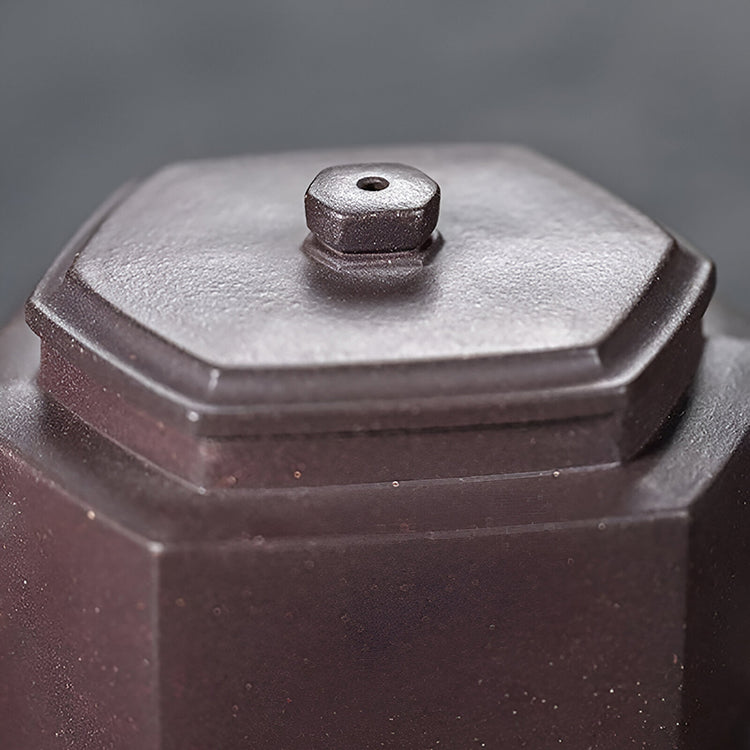
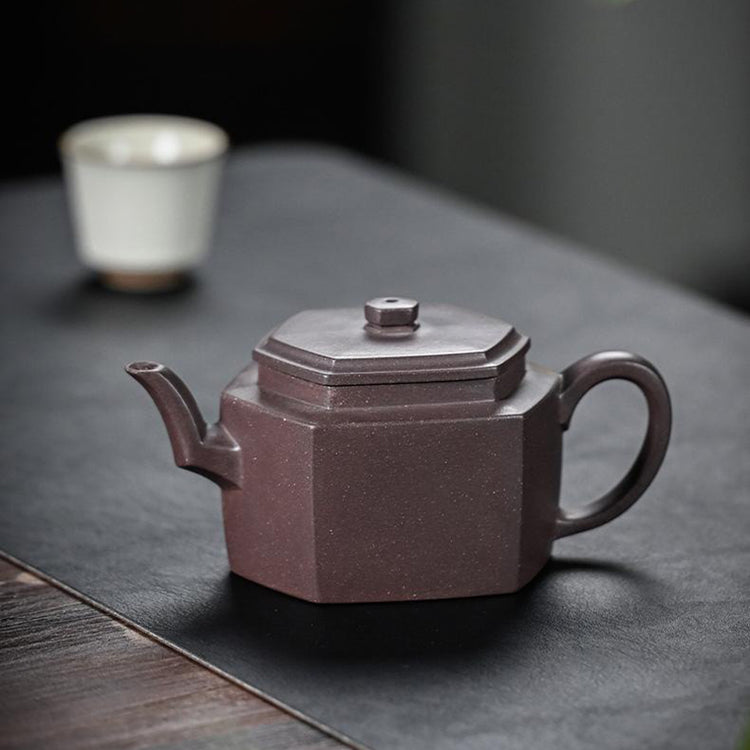
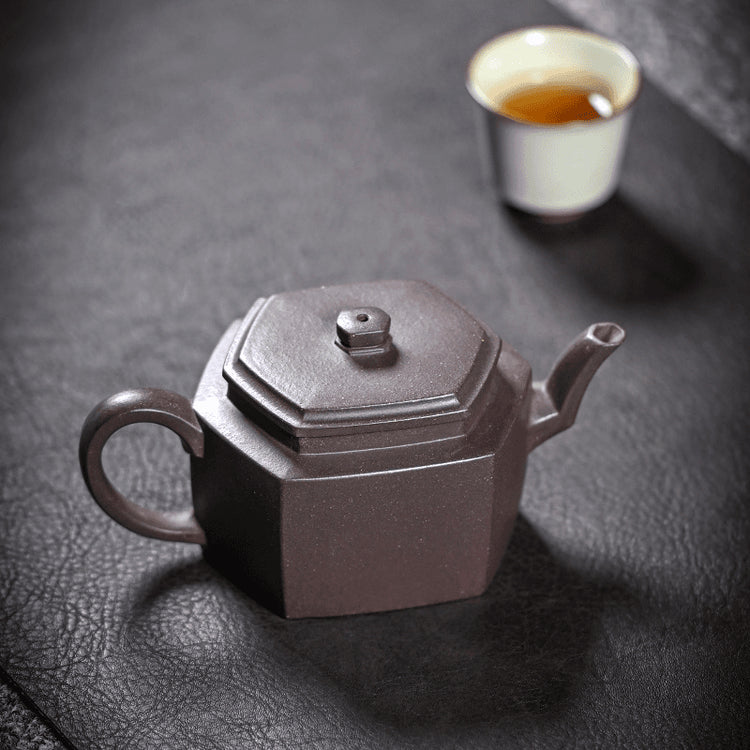
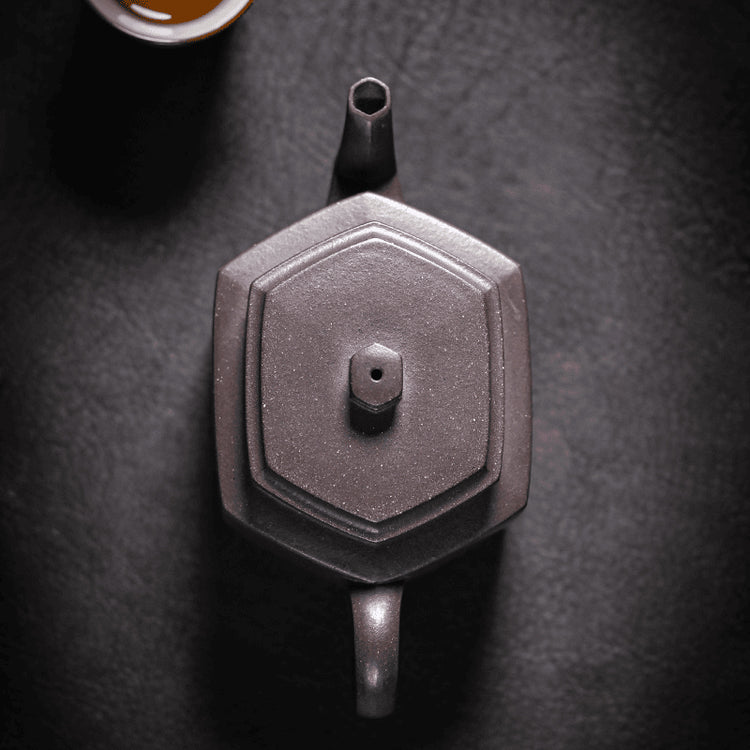
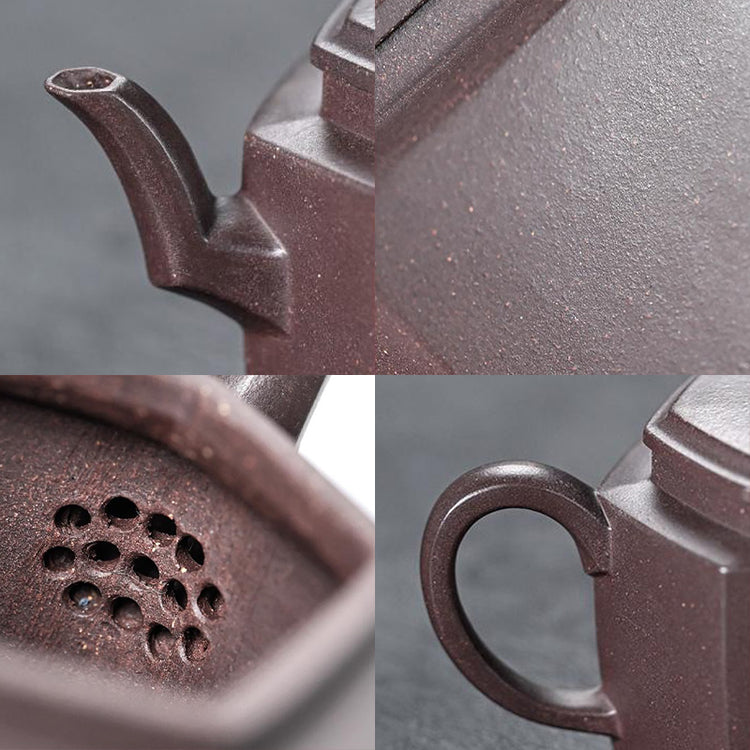
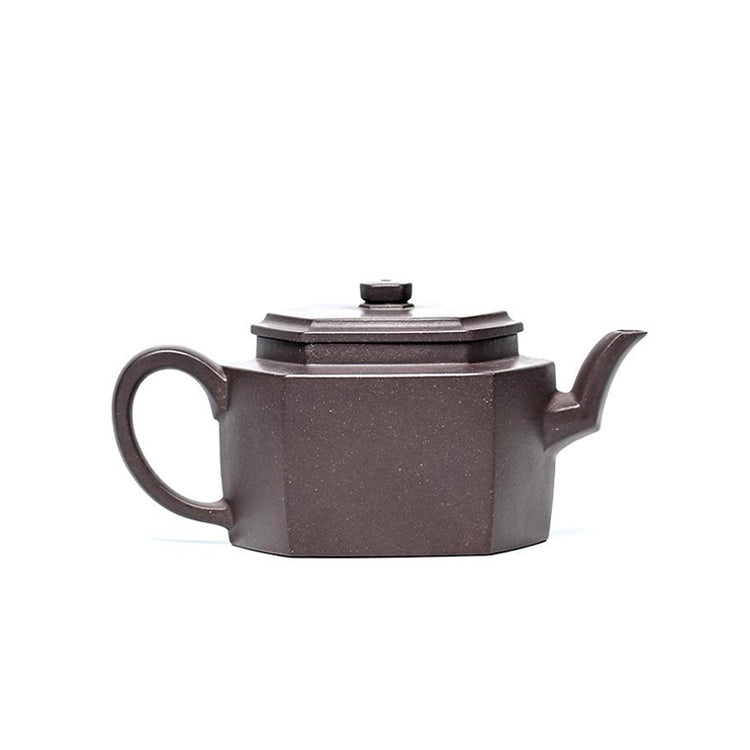
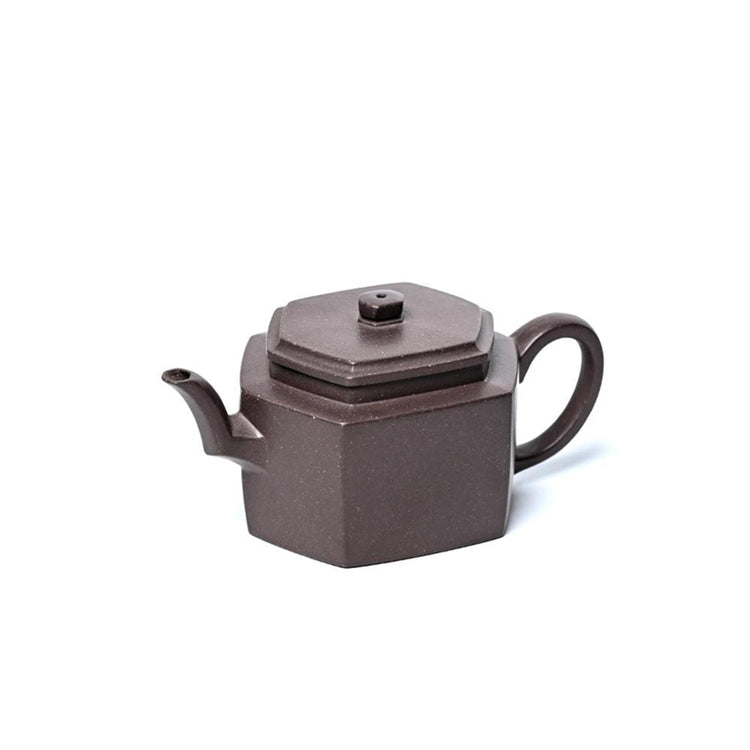
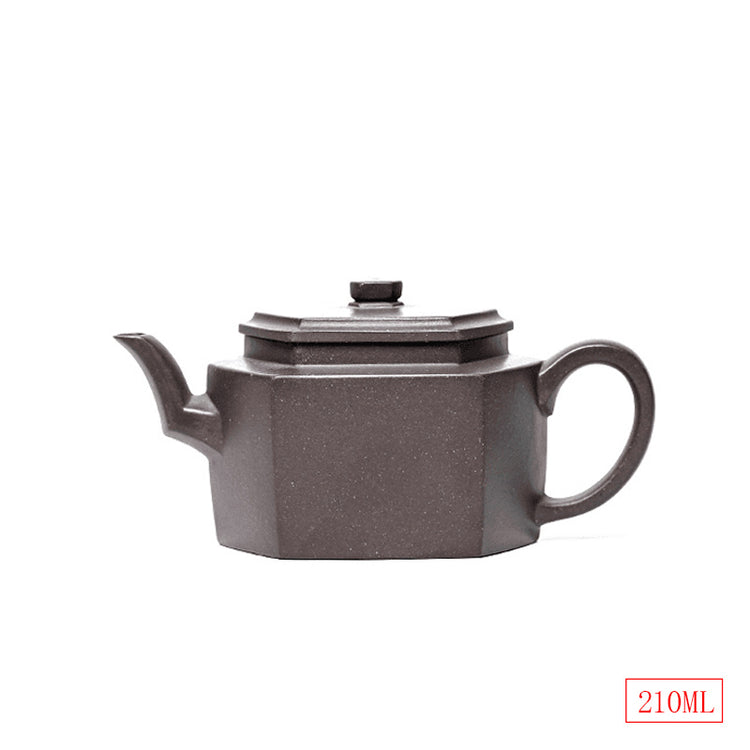
Di Cao Qing - Hexagonal Palace

Regular price
$239.99 USD
Sale price
$239.99 USD
Regular price
$469.99

Quantity:

secure checkout
What makes Di Cao Qing clay different from other Yixing clays for this hexagonal shape?
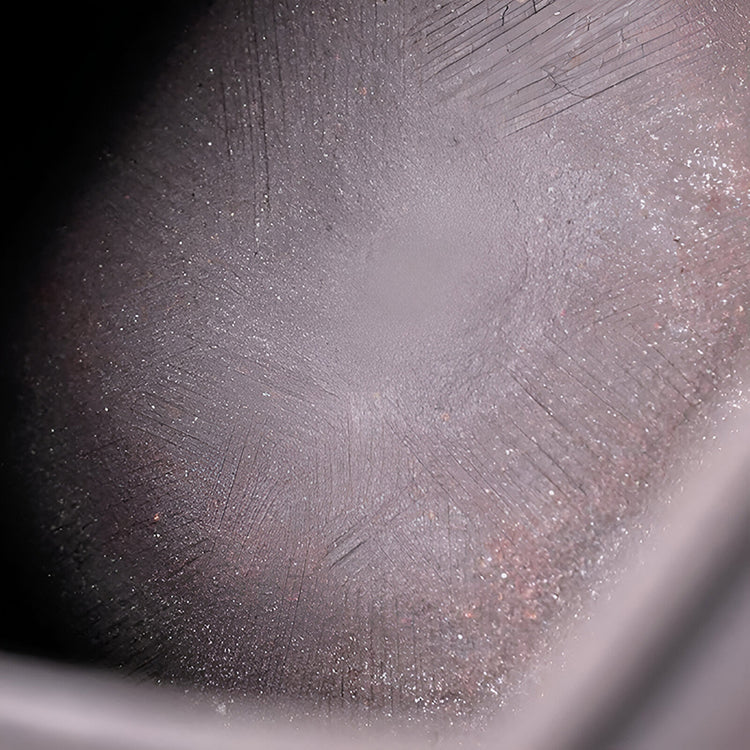
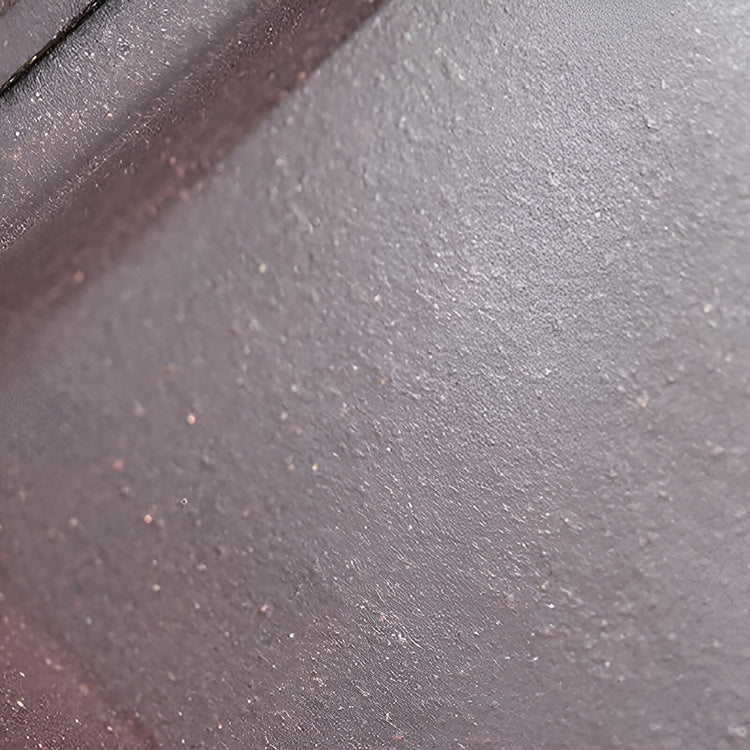
Di Cao Qing is a rare, naturally mined greenish-blue clay known for its tight mineral structure and low water absorption. When used in a sharp-lined hexagonal design, it fires to a dense, slightly metallic sheen that accentuates the crisp edges, and it improves the seasoning of light teas like green or raw puer, as it doesn’t absorb heavy oils like darker zisha clays.
Does the hexagonal palace shape affect the tea brewing experience compared to a round teapot?
Yes. The hexagonal body and straight spout create a more focused, laminar pour, which reduces turbulence and allows for precise control over steep times. The flat walls also cool slightly faster than a round pot, making Di Cao Qing’s heat retention moderate—ideal for teas that need a quick, even extraction without overheating the leaves.
How should I season a Di Cao Qing Hexagonal Palace pot for the first time?
Because Di Cao Qing is a dense, low-porosity clay, skip aggressive boiling. Instead, rinse the pot with hot water, then steep a batch of the tea you plan to use (recommended: light oolong or raw puer) for 10-15 minutes. Pour the tea over the pot’s exterior before emptying. Repeat once to build a thin seasoning layer that won’t clog the hexagonal facets.
Will the hexagonal corners cause cracks or chips over time with this clay?
Properly fired Di Cao Qing has excellent structural integrity, but the sharp corners are slightly more vulnerable to thermal shock than rounded pots. Avoid sudden temperature changes—never preheat with boiling water directly on cold clay. A 30-second warm rinse with warm water before steeping protects the crisp edges from stress.
Why does my Di Cao Qing Hexagonal Palace pot feel heavier than other Yixing pots of similar size?
Di Cao Qing contains a higher proportion of iron and trace minerals like manganese and chromium compared to standard zisha clays. This density gives the pot a solid, substantial weight that enhances heat stability during brewing, but also means the hexagonal walls are thicker to maintain the structure without warping during firing.
Can I use the same Di Cao Qing pot for both green tea and roasted oolong?
It’s not recommended. Di Cao Qing’s fine grain structure readily absorbs the volatile oils and tannins of the first tea you season it with. Switching from a delicate green to a roasted oolong will muddy both flavors. Stick to one tea category—light, floral teas are the best match for this clay’s bright, silty finish.
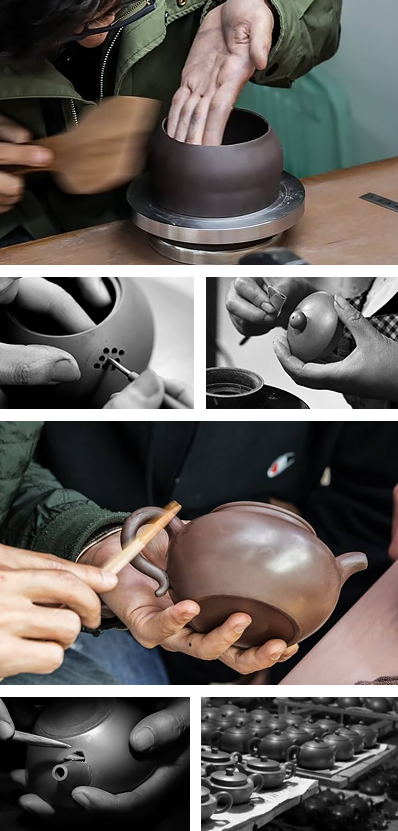
Making Process

tenmoku making of process

Description

【Capacity】: 210 ML

Specification

Food-Safe:✔
Dishwasher:✖
Microwave:✖
Direct Heat on Stove:✖
Hot Water:✔
Description

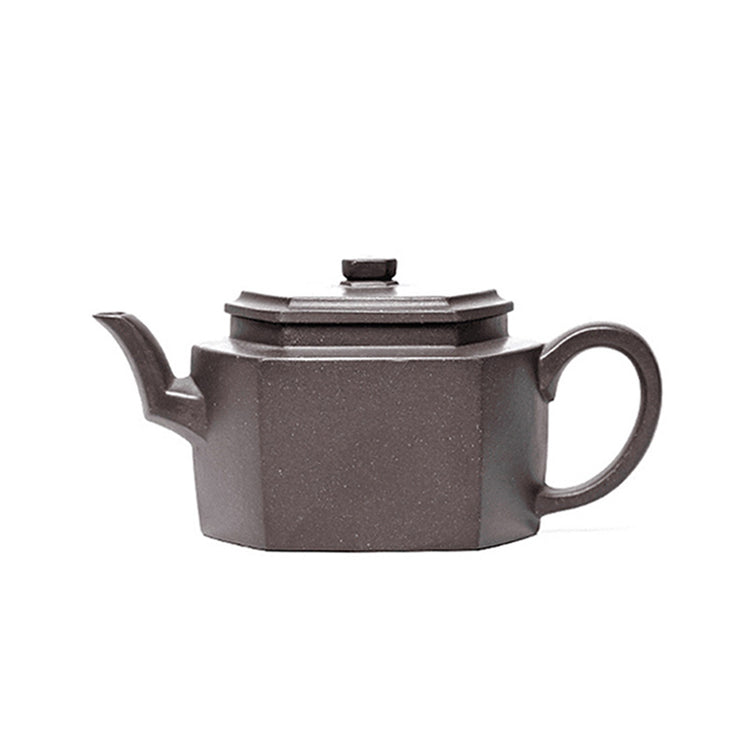
【Capacity】: 210 ML

Specification

Food-Safe:✔
Dishwasher:✖
Microwave:✖
Direct Heat on Stove:✖
Hot Water:✔
You May Also Like

More