


Lin Changdi
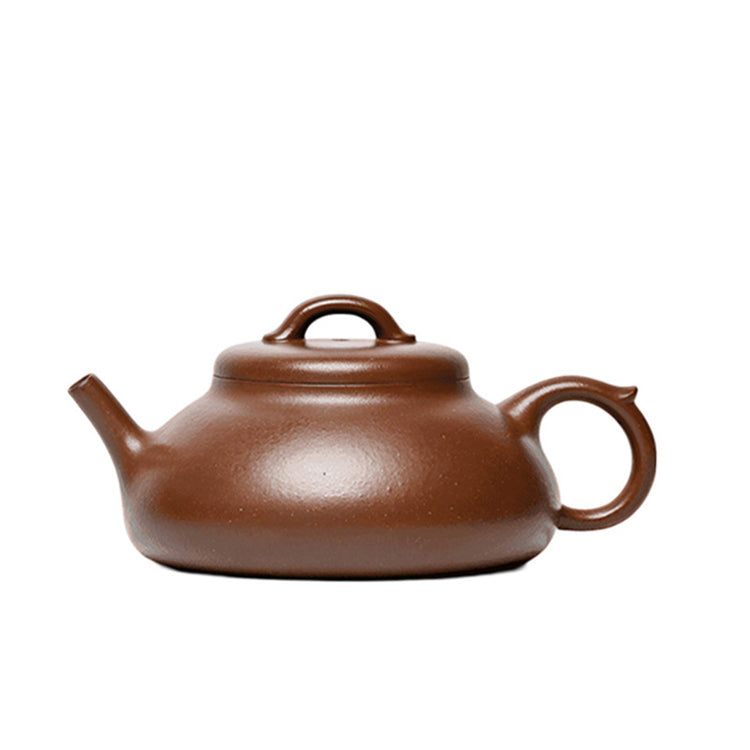
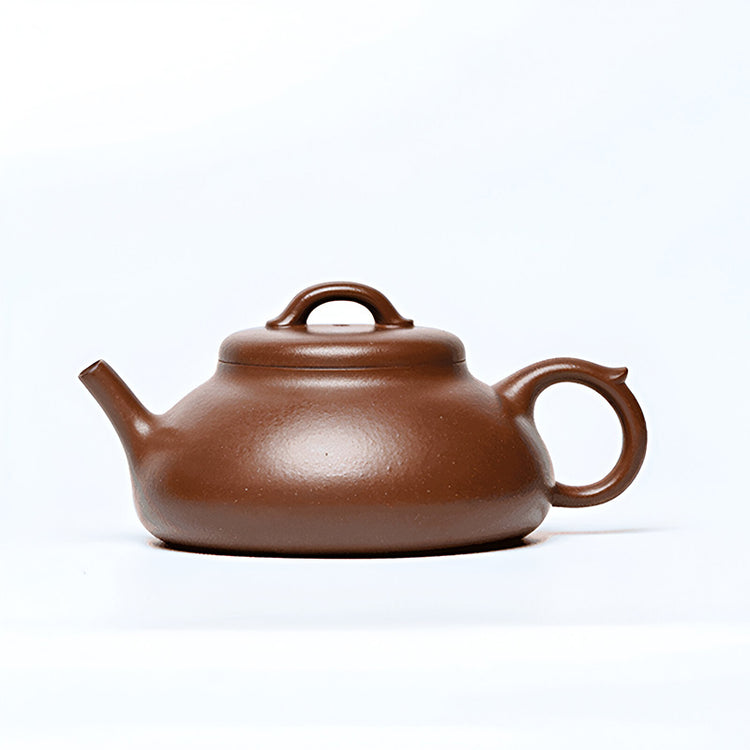
Di Cao Qing - Soothing Breeze
- Regular price
- $139.99 USD
- Sale price
- $139.99 USD
- Regular price
-
$329.99
Quantity:

What makes Di Cao Qing clay different from other Zisha clays like Zi Ni or Hong Pi Long?
Di Cao Qing is a rare, iron-rich clay from the deepest seams of Huanglong Mountain. Its unique mineral composition gives it a distinct deep blue-green hue after firing, and it offers superior heat retention, gradually softening water for a rounder, smoother tea texture—perfect for enhancing the natural sweetness of raw pu-erh.
How does the 'Soothing Breeze' design affect the brewing experience compared to a traditional Xishi or Shui Ping shape?
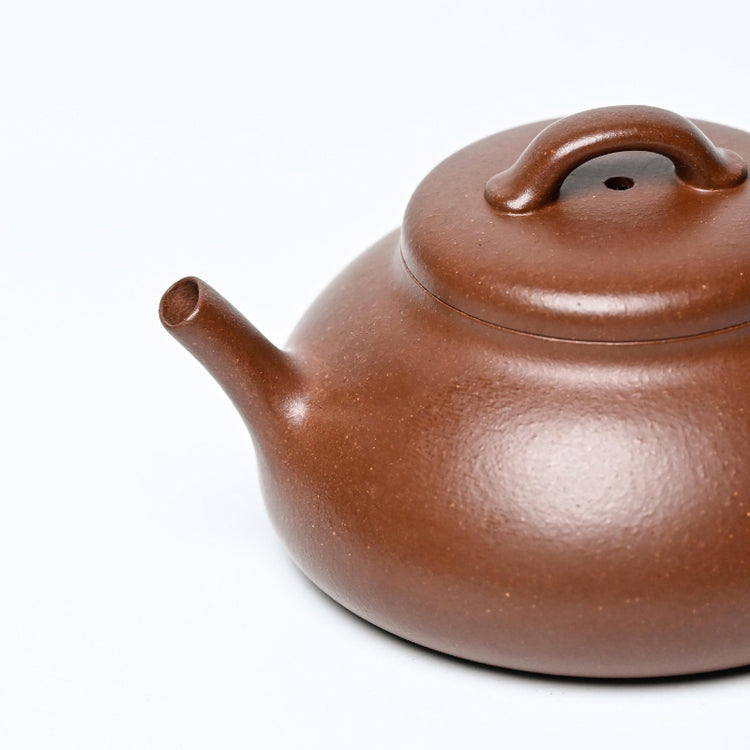
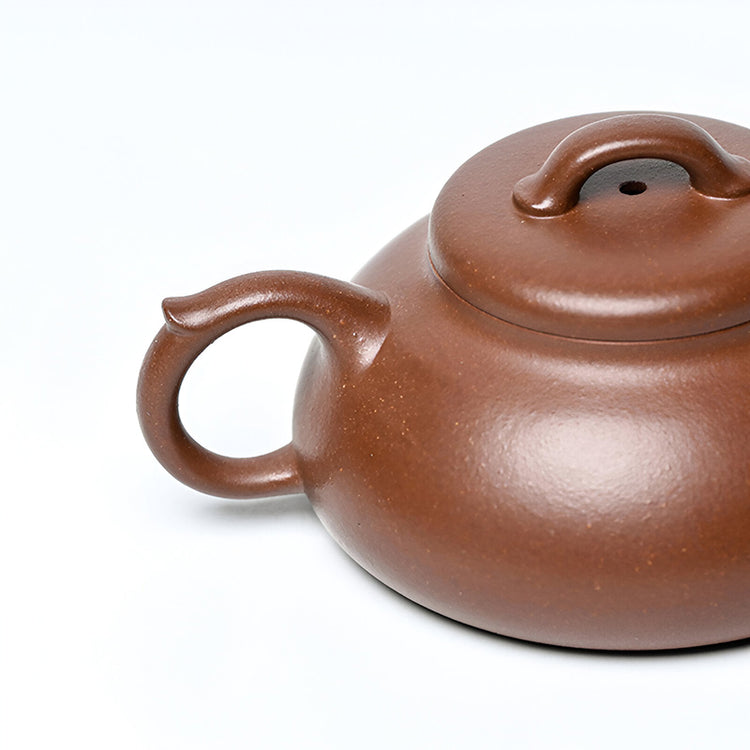
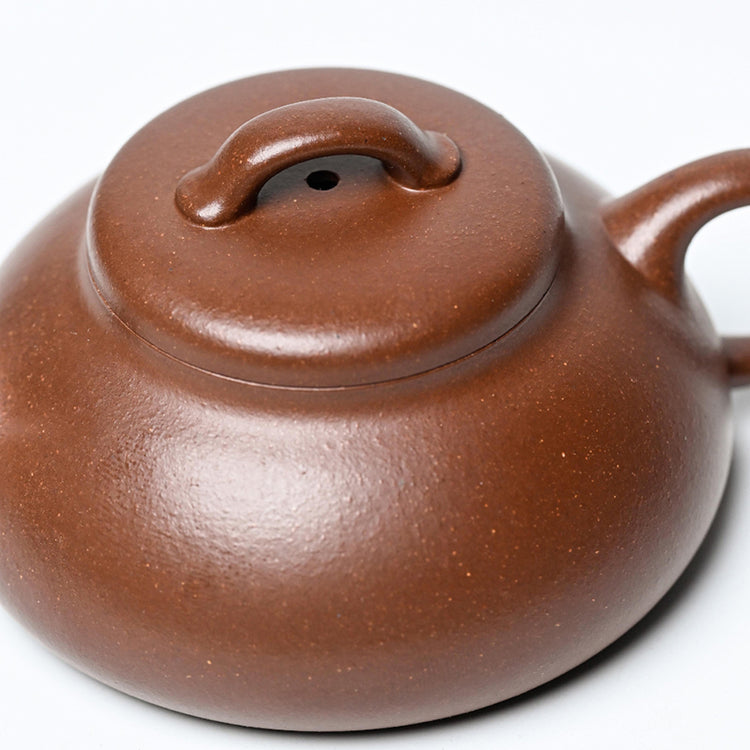
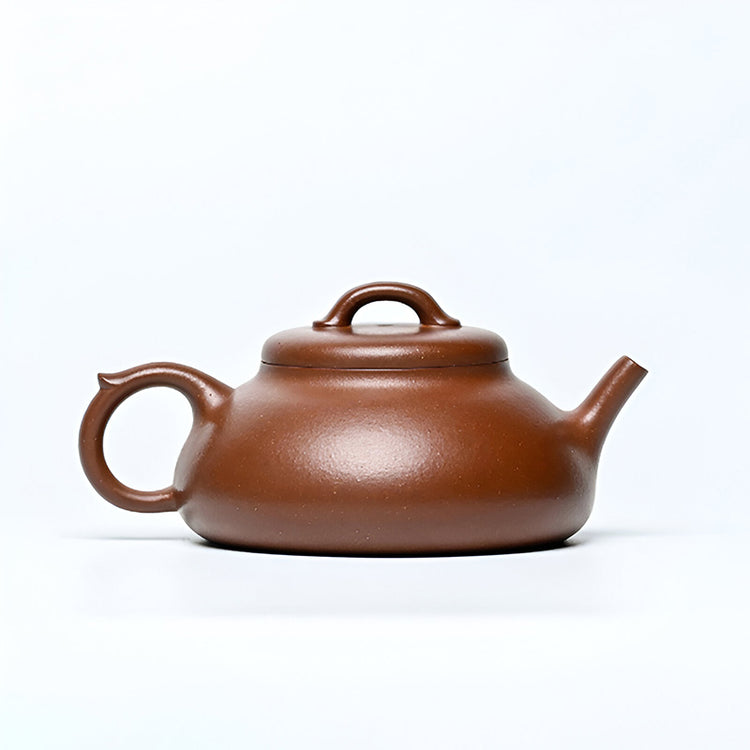
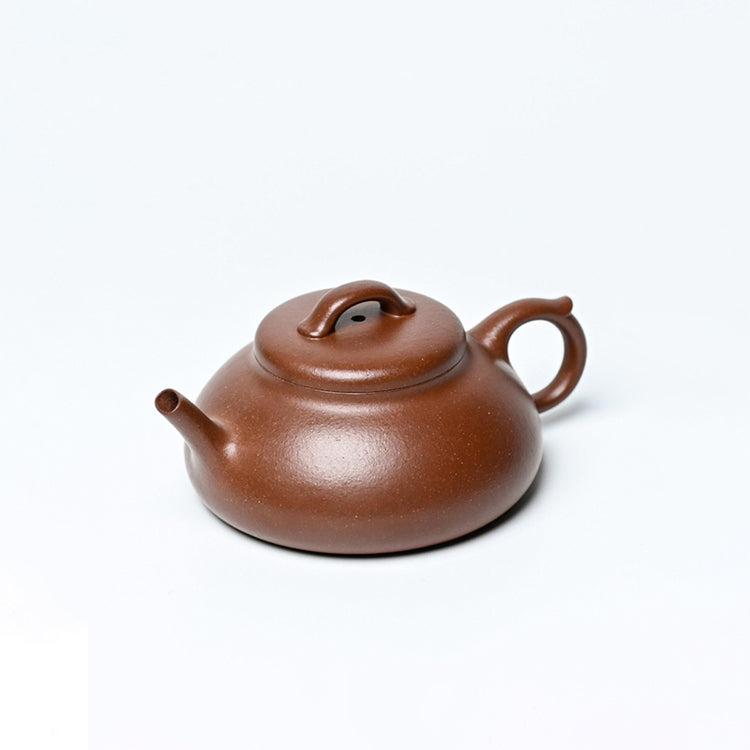
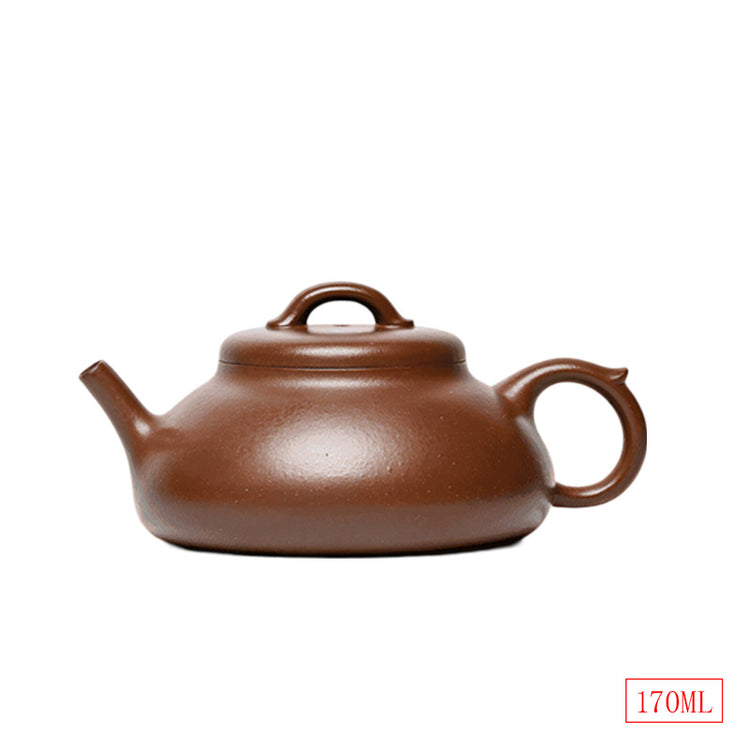
The Soothing Breeze features an elongated, gently flared body and a wide, swept-back handle, designed to mimic a wind-swept sail. This shape increases the surface area of the clay in contact with water during pouring, improving heat diffusion and allowing delicate aromatics to develop fully without scalding the leaves. The low, balanced spout also provides a sharp, drip-free cut to the liquor.
Is Di Cao Qing suitable for daily use with a single tea type, or can it be seasoned for multiple teas?
Di Cao Qing is highly porous and absorbent, so we strongly recommend dedicating this pot to one tea category (e.g., aged raw pu-erh or young sheng). The clay will season beautifully over time, accumulating a patina that subtly enhances that specific tea’s fragrance. Switching teas risks muddling the nuanced mineral sweetness the clay imparts.
Does the Di Cao Qing 'Soothing Breeze' require special preparation before first use?
Yes. Because Di Cao Qing is a dense, high-iron clay, we recommend a gentle 'opening' process: rinse the pot with boiling water, then brew a batch of cheap tea of the same type you intend to use, letting it steep until cool. Discard the tea and rinse again with hot water. This removes any residual kiln dust and primes the clay’s pores for optimal seasoning.
Why does the Di Cao Qing clay sometimes show subtle color variations or metallic flecks on the surface?
Di Cao Qing naturally contains higher concentrations of iron oxides and trace minerals. During high-temperature reduction firing, these form tiny crystalline spots and create a non-uniform, mottled finish—ranging from charcoal-blue to mossy green. These are not flaws but signatures of authenticity, and they intensify as the pot seasons with tea oil.
Can I use the Soothing Breeze pot for high-temperature brewing techniques like flash-steeping gongfu?
Absolutely. The clay’s dense microstructure rapidly absorbs and radiates heat, while the relatively thin walls (a feature of the Soothing Breeze design) allow swift cooling between infusions. This makes it an excellent vessel for gongfu sessions with high-aroma oolongs or young sheng, where precise temperature control is critical.
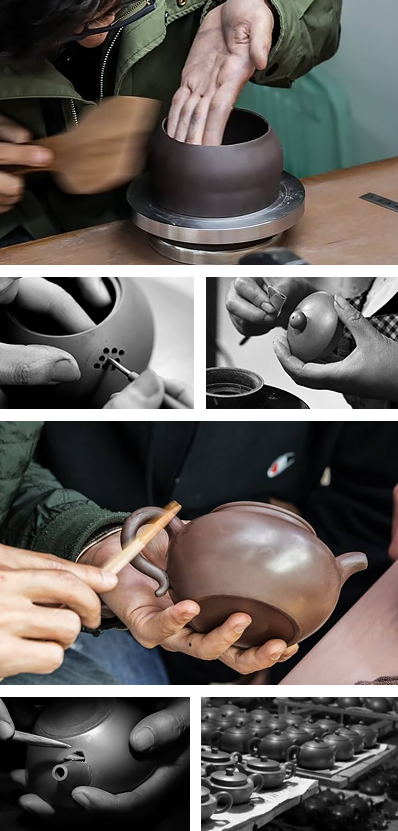
Making Process
Description
【Capacity】: 170 ML
Specification
Food-Safe:✔
Dishwasher:✖
Microwave:✖
Direct Heat on Stove:✖
Hot Water:✔
Description
【Capacity】: 170 ML
Specification
Food-Safe:✔
Dishwasher:✖
Microwave:✖
Direct Heat on Stove:✖
Hot Water:✔