



Listed vendor: ClayPurple
Lotus Pond
- Regular price
- $269.99 USD
- Sale price
- $269.99 USD
- Regular price
-
$269.99
Quantity:
Purchase details
- Availability
- Available to order
Shipping cost and available delivery methods appear at checkout.
Pot Passport
A closer look at this piece
Product details from this listing
- Product
- Lotus Pond
- Product type
- Carving
- Listed vendor
- ClayPurple
Looking for clay origin, making method, or maker credentials? These need a supporting record for this piece; a product name or listed vendor alone does not confirm them.

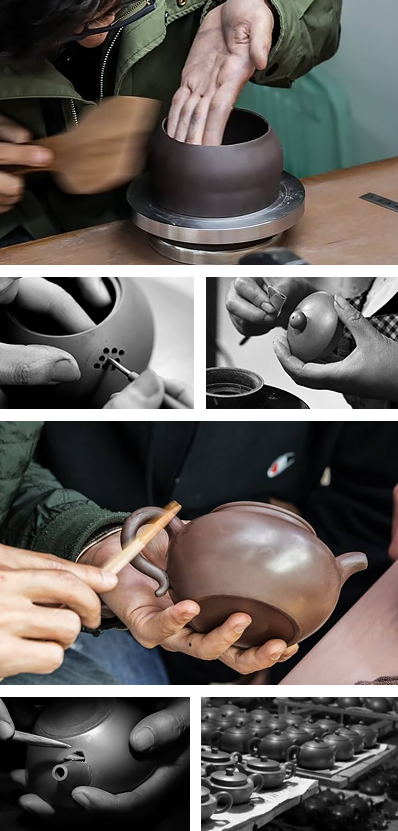
Illustrative process images. They do not document the making of this specific item.
Description
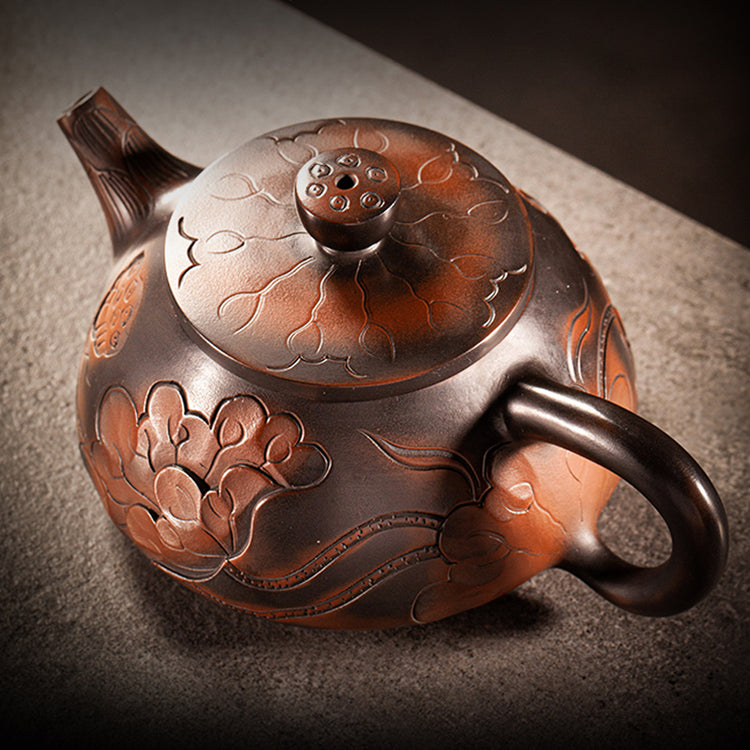
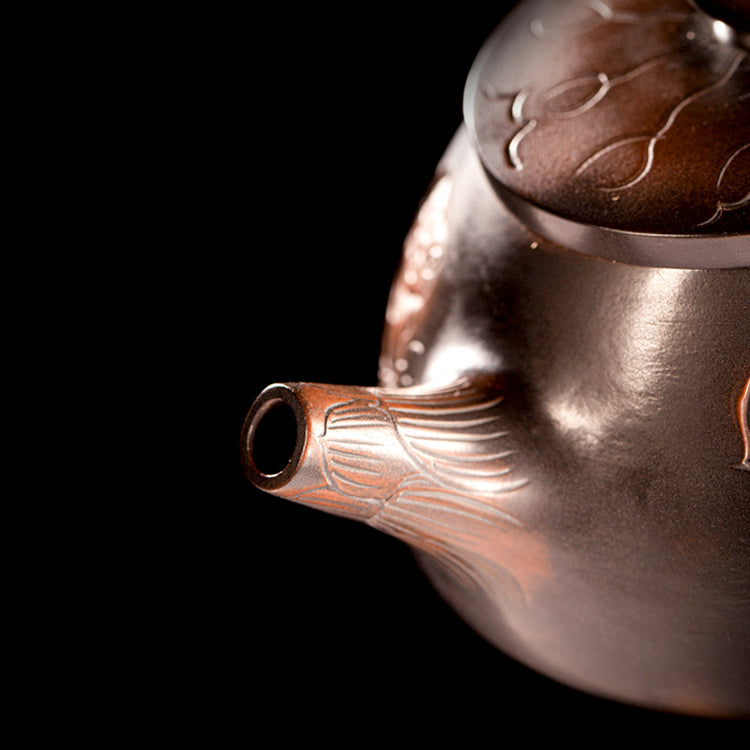
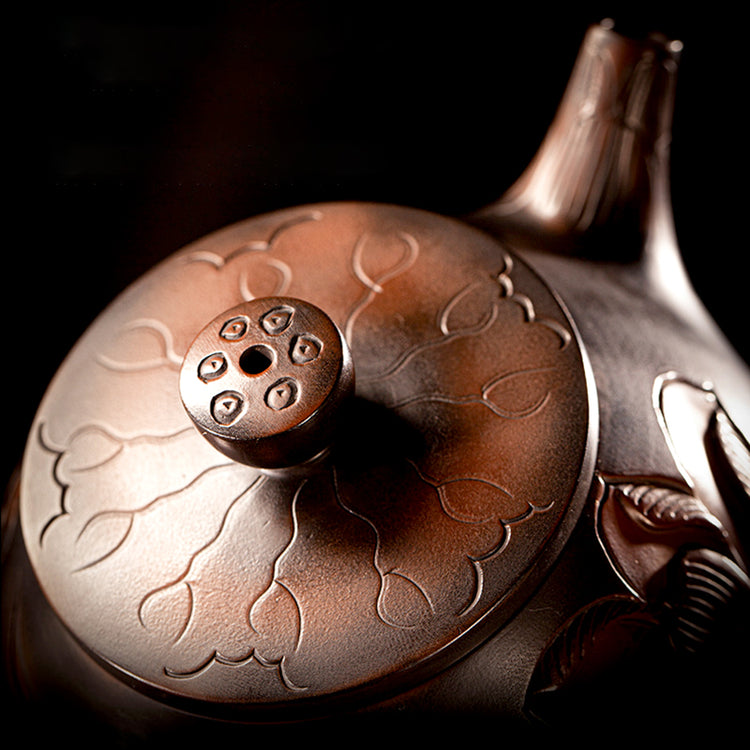
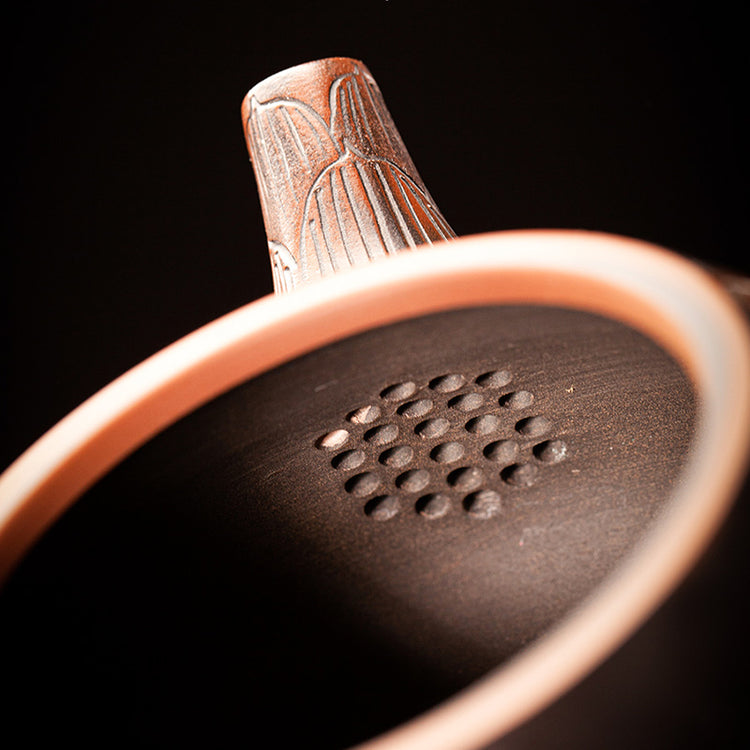
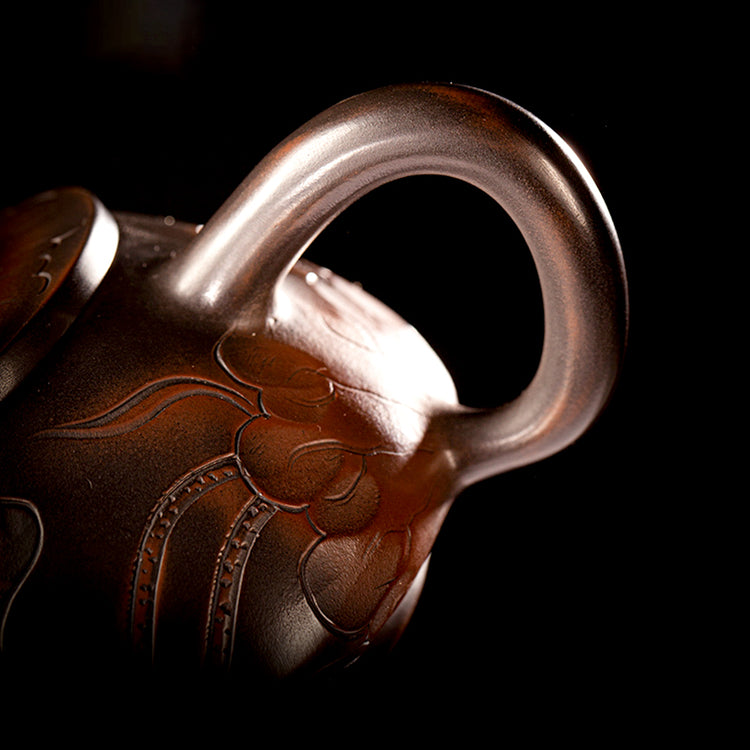
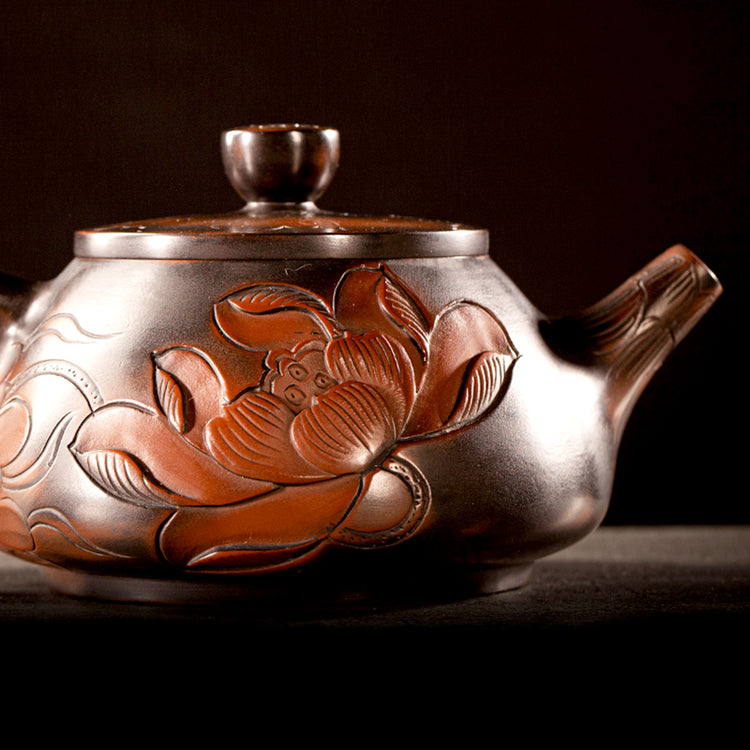
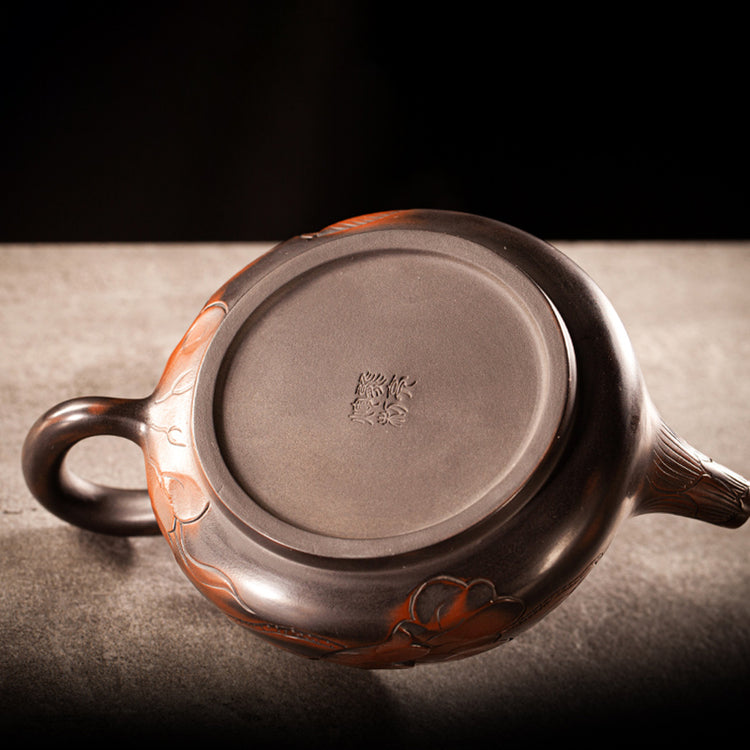
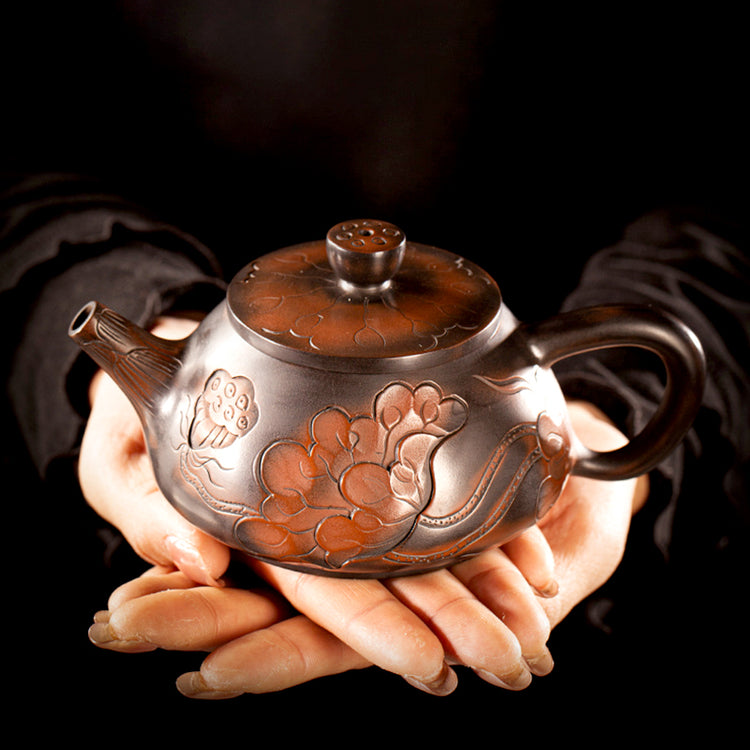
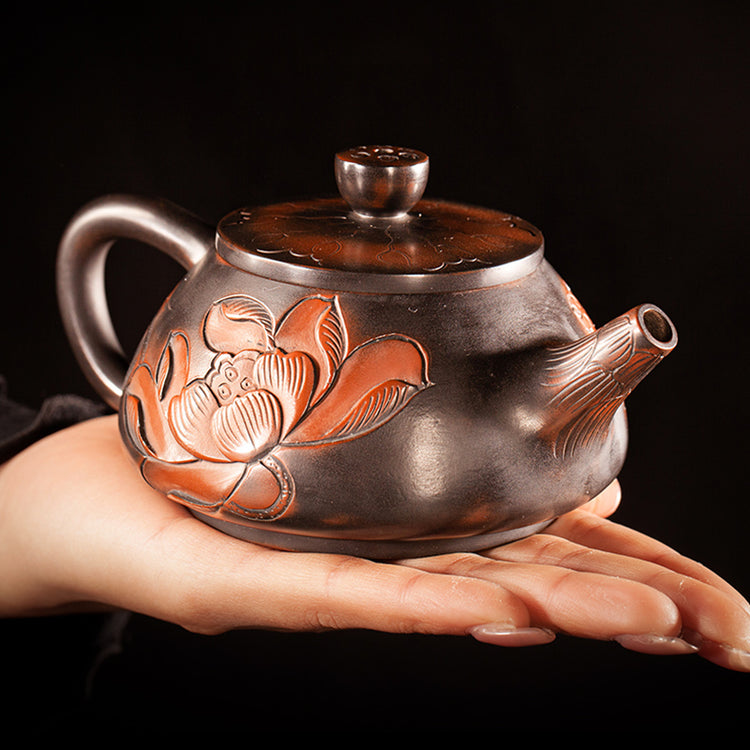
Lotus Pond is listed by ClayPurple as Carving. Compare the product photos, selected variant, price, availability, and the listing specifications below before ordering.
No structured size or capacity specification is currently available in this listing.
Clay source, making method, maker credentials, performance claims, and supporting documents are only confirmed when they appear as verified in this product's Pot Passport.
Specification
Dishwasher:✖
Microwave:✖
Direct Heat on Stove:✖
Hot Water Rinse:✔
Description
Lotus Pond is listed by ClayPurple as Carving. Compare the product photos, selected variant, price, availability, and the listing specifications below before ordering.
No structured size or capacity specification is currently available in this listing.
Clay source, making method, maker credentials, performance claims, and supporting documents are only confirmed when they appear as verified in this product's Pot Passport.
Specification
Dishwasher:✖
Microwave:✖
Direct Heat on Stove:✖
Hot Water Rinse:✔
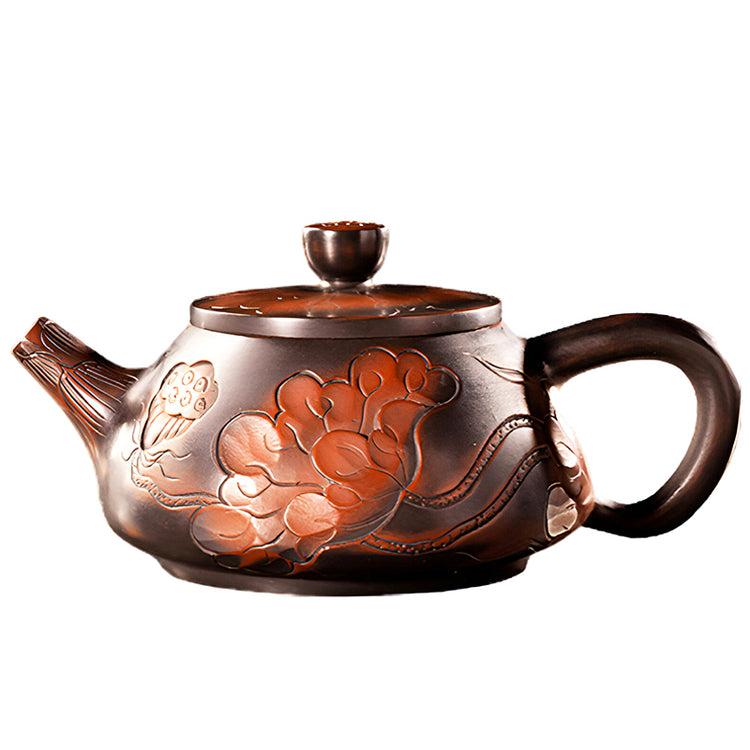
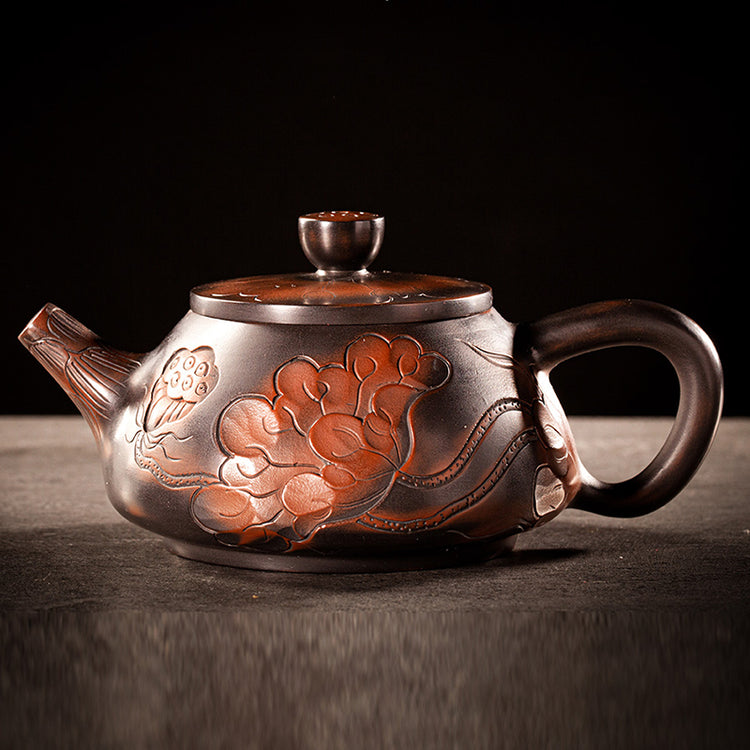
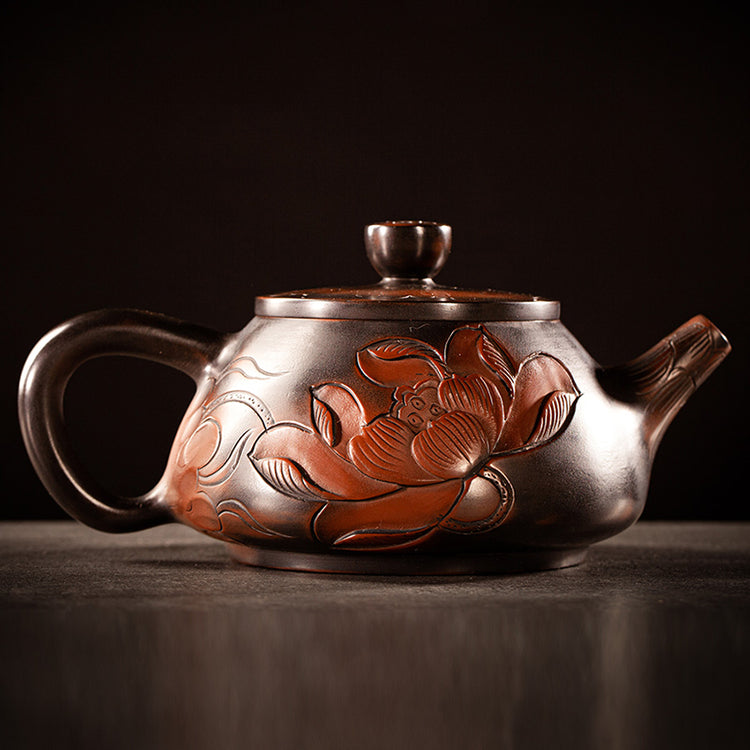
ClayPurple product guide
Before buying Lotus Pond
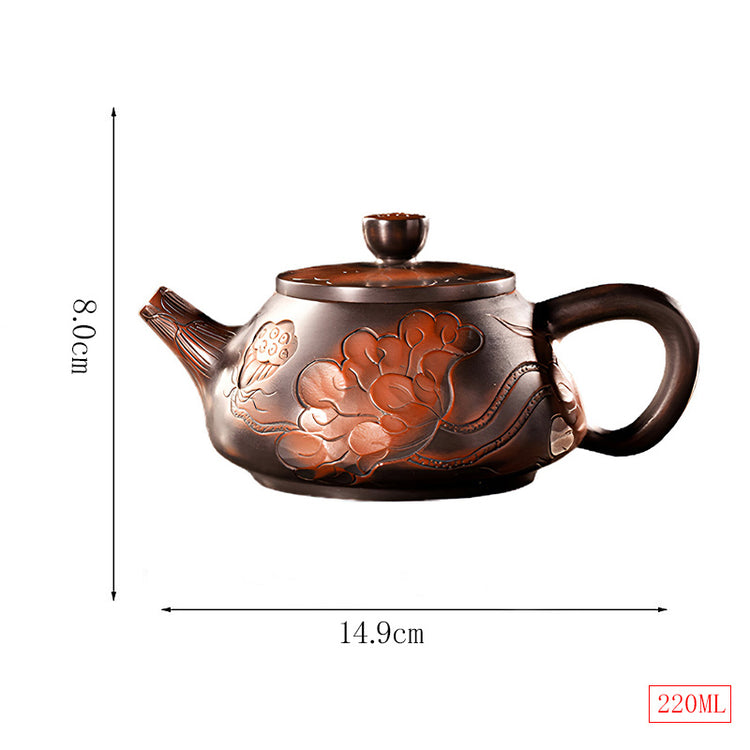
Picture Lotus Pond on your tea table. Compare its dimensions and photographed details with the space you have and the way you plan to use it.
At a glance
- Product type: Carving
- Listed vendor: ClayPurple
- Starting price: $269.99
- Availability: available to order
- SKU: CP_TEAPOT_077
Make room for it
For a teapot or cup, start with capacity and dimensions. For a tea pet or carving, check the space it needs on your tray or shelf. Missing a measurement that matters to you? Ask ClayPurple before choosing.
Know the details before you choose
Read the care notes and Pot Passport. Clay origin, making method, maker credentials, and food-contact claims need supporting information for this specific piece, not just a name or photograph.