


Lin Changdi
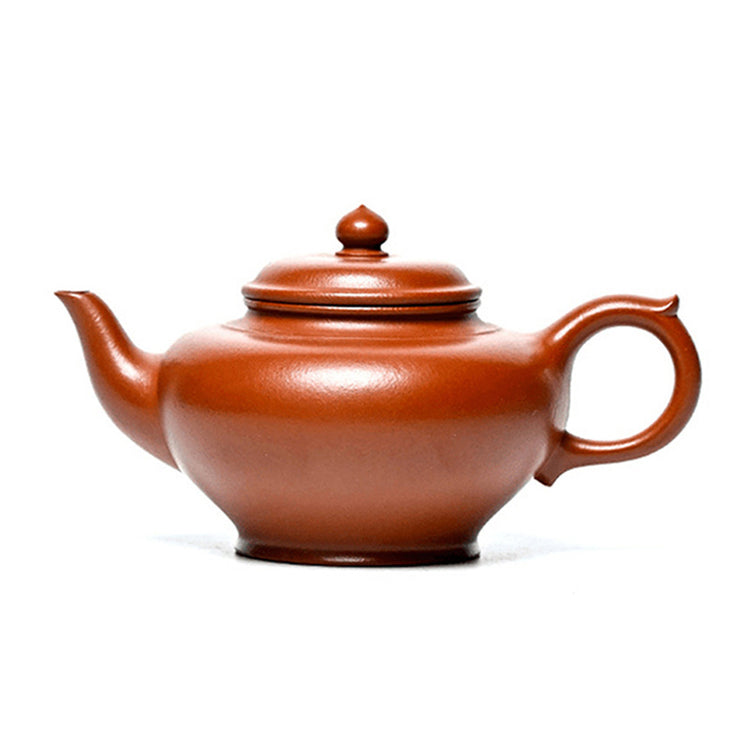
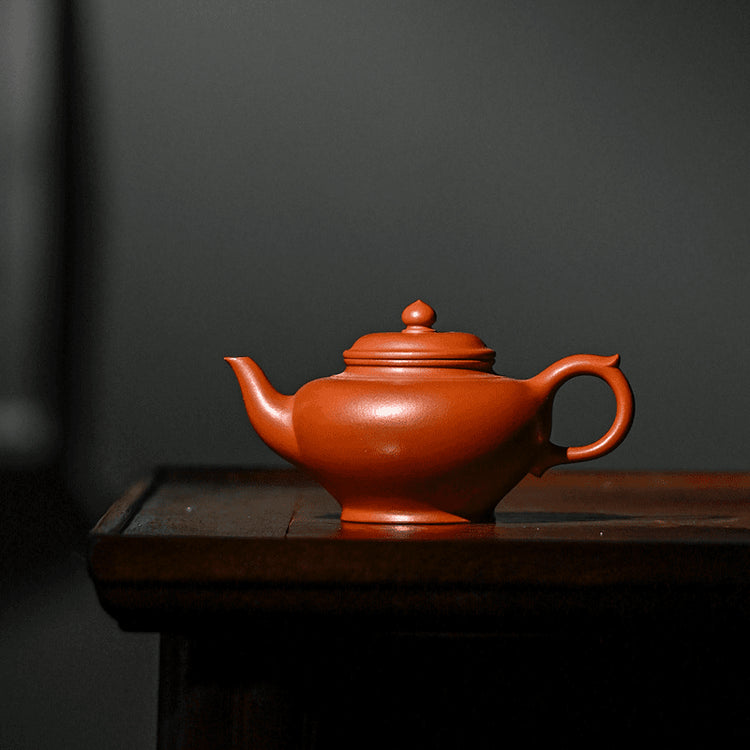
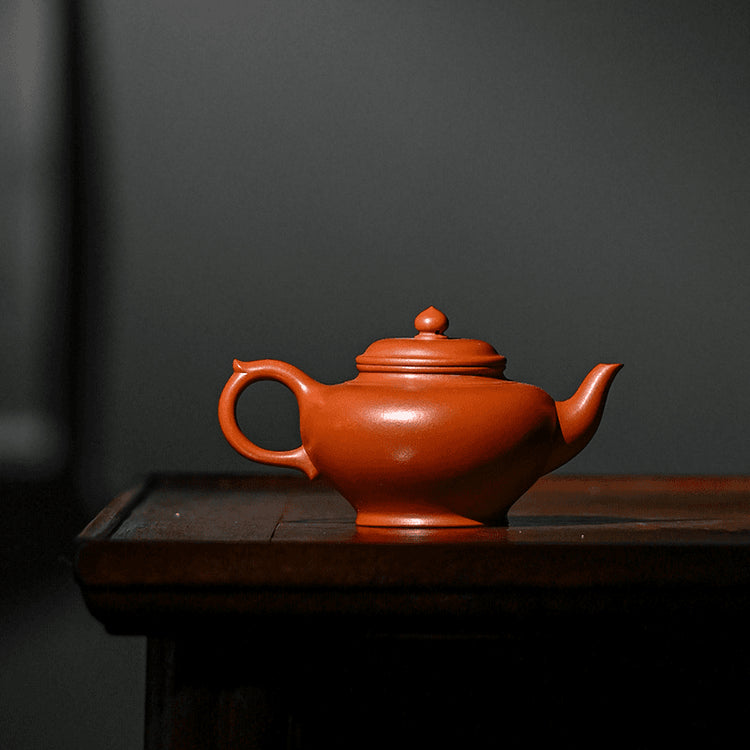
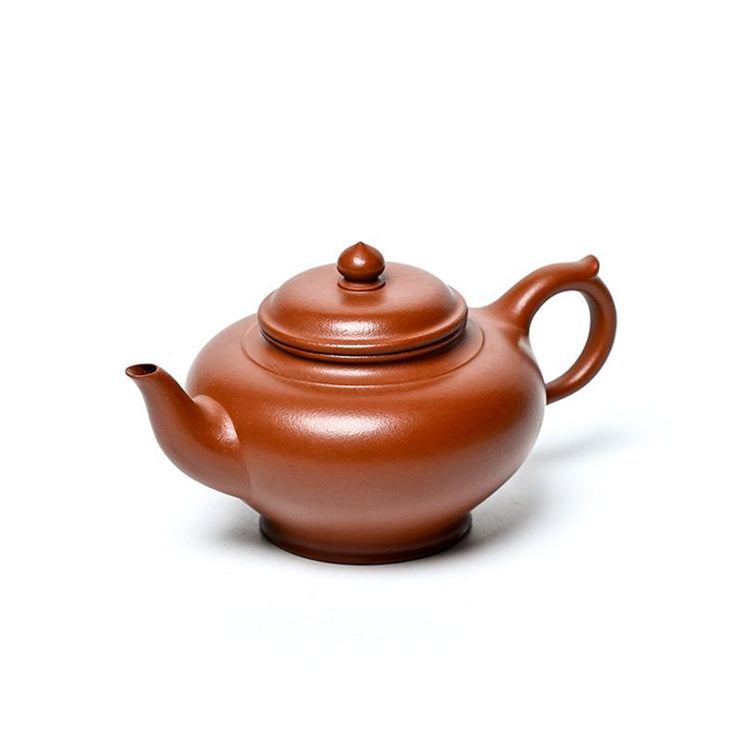
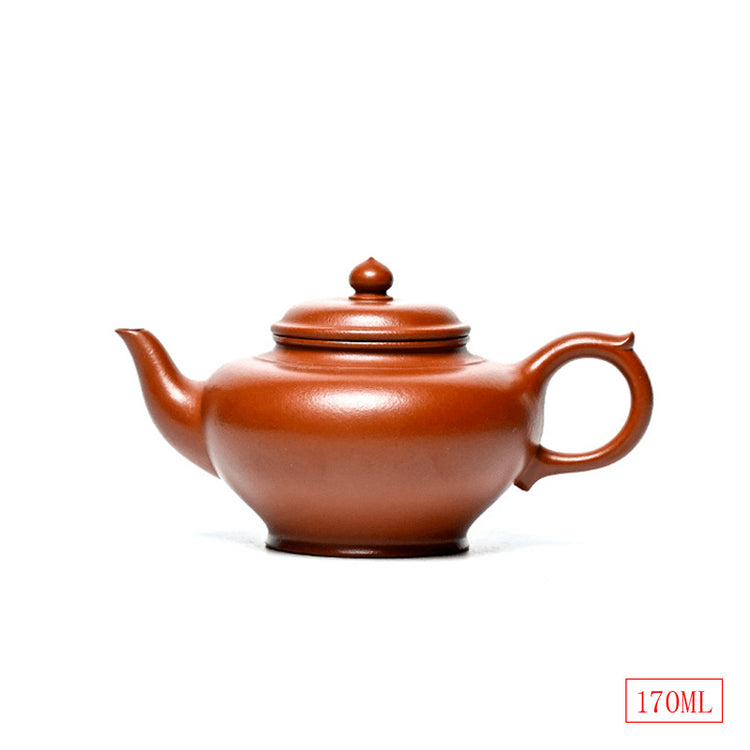
Zhu Ni - Smiling Cherry
- Regular price
- $169.99 USD
- Sale price
- $169.99 USD
- Regular price
-
$379.99
Quantity:

What makes Zhu Ni clay from the Smiling Cherry teapot different from other Yixing clays?
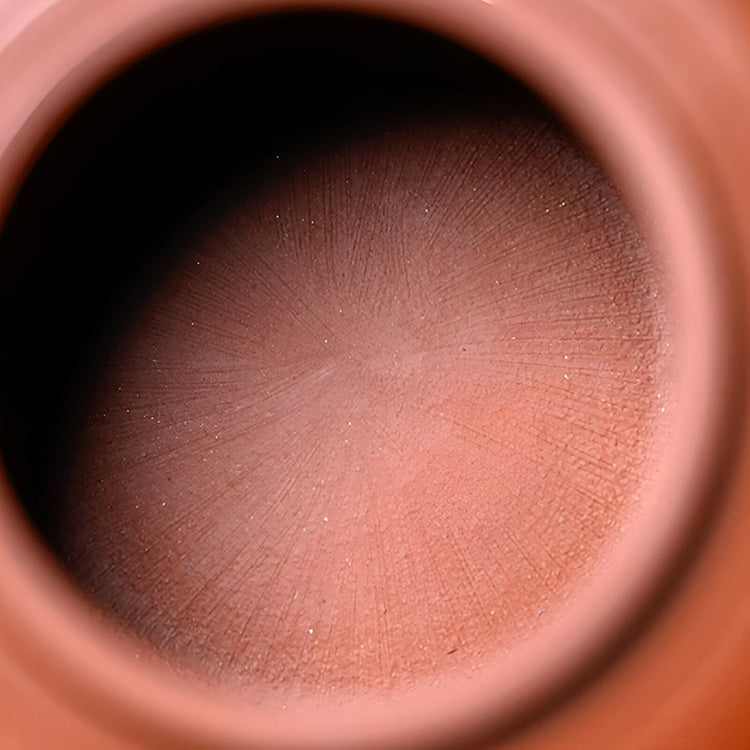
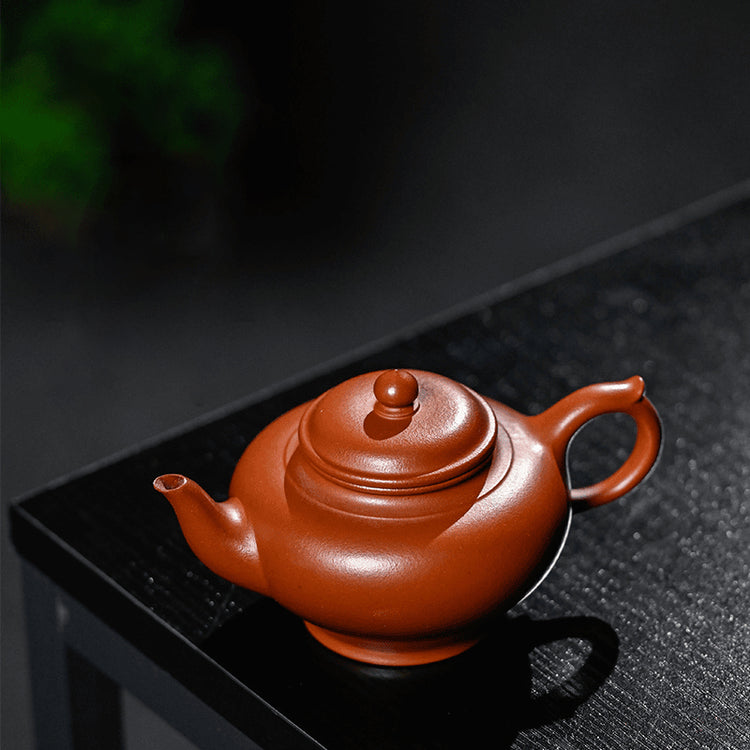
Zhu Ni, or ‘cinnabar clay,’ is a reddish-orange, naturally mineral-rich ore that’s prized for its tight grain and high iron content. For the Smiling Cherry, we use a refined, original-ore Zhu Ni that fires to a warm, vibrant red. Unlike Zi Ni (purple clay), Zhu Ni is more challenging to work with due to its high shrinkage and low plasticity, but when fired correctly, it creates a compact, slightly metallic surface that develops a deep, glossy patina over time. This clay is particularly good for light-to-medium oxidation teas, as it enhances fruitiness and brightness.
Is the Smiling Cherry design purely aesthetic, or does the cherry shape affect tea brewing?
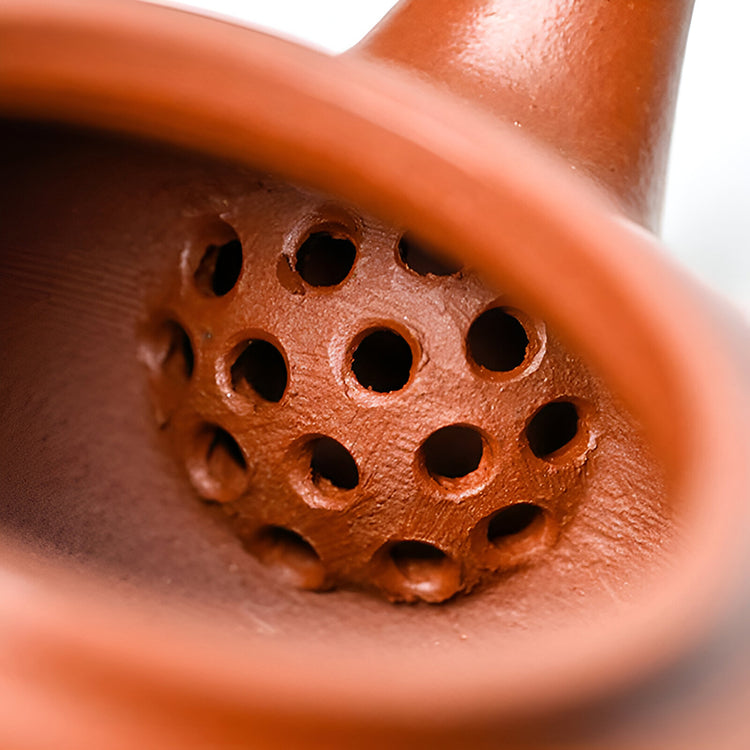
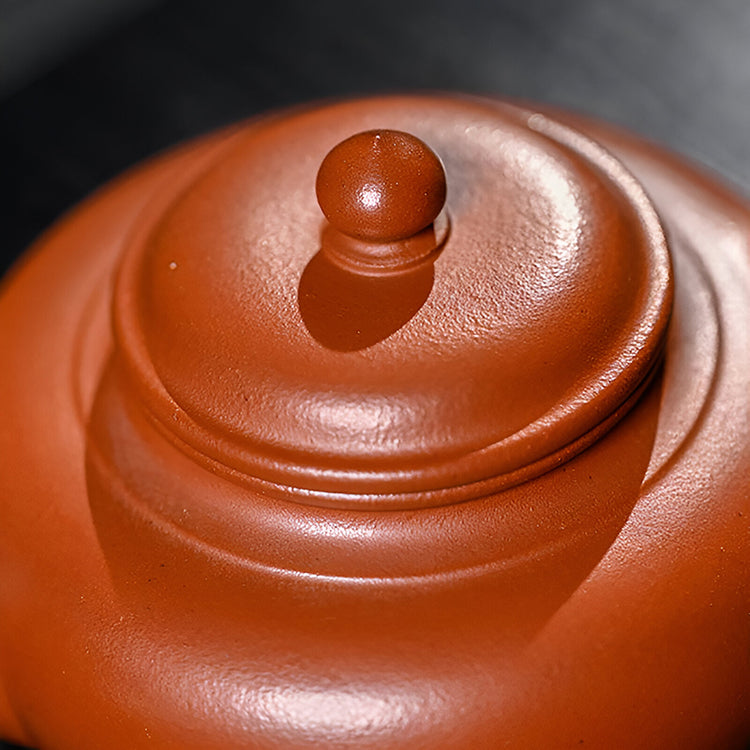
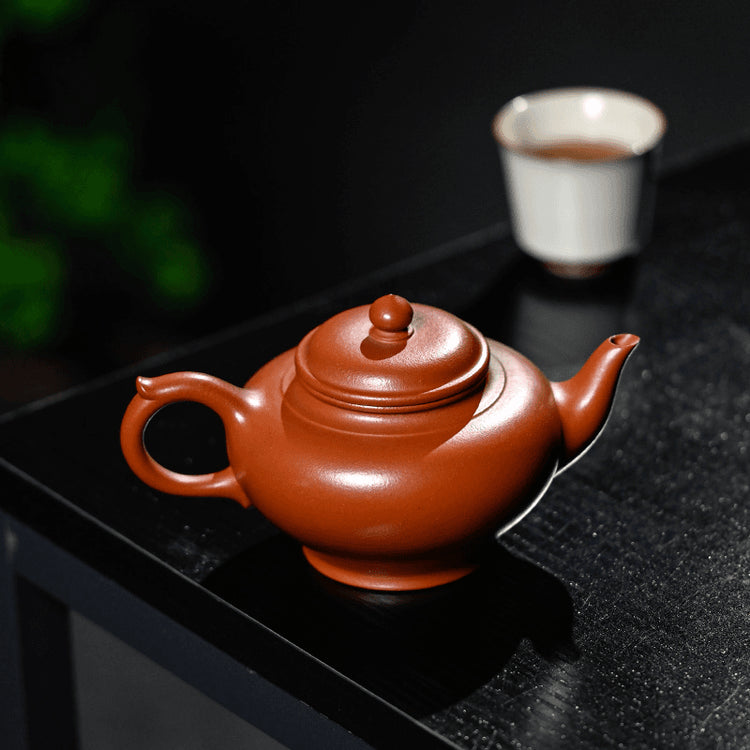
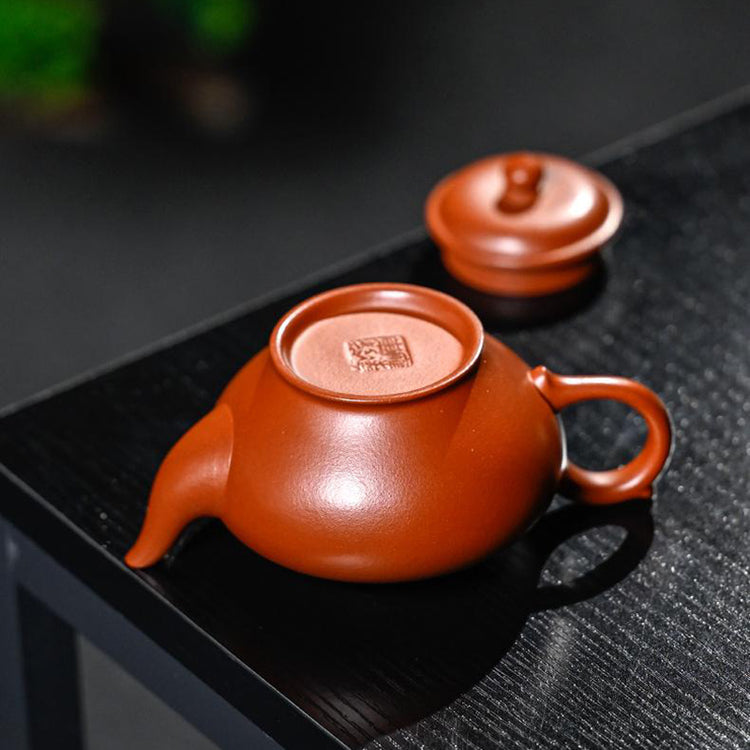
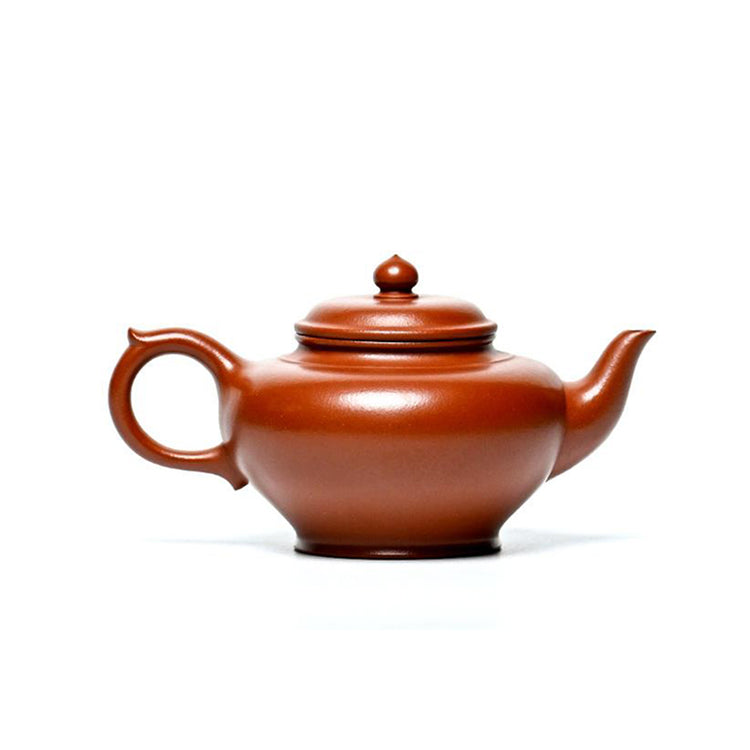
The cherry shape is both artistic and functional. The rounded, plump body mimics a ripe cherry, which promotes even heat circulation around the tea leaves during steeping. The small, precisely shaped ‘cherry stem’ knob on the lid provides a comfortable grip, and the slightly raised lid fit helps retain aroma. The spout is modeled to mimic a cherry’s curved indent, which directs flow smoothly without dripping. The design’s compact size (typically 100-130ml) is ideal for gongfu brewing, allowing for a high leaf-to-water ratio that extracts layered flavors without over-steeping.
How should I season (open) a new Zhu Ni Smiling Cherry teapot?
First, rinse the teapot with warm water to remove any dust from firing. Then, place it in a clean pot of cool water, and slowly bring to a gentle simmer (not a rolling boil) for 15 minutes. Turn off the heat and let it cool naturally. Next, repeat the simmer process using the tea you plan to brew most often (e.g., a light oolong or raw pu’er). This fills the pores of the Zhu Ni with tea essence. After cooling, empty the pot, rinse with hot water, and dry it completely. Avoid soap or detergents, as Zhu Ni is highly porous and can absorb chemicals that alter future brews.
Why does my new Zhu Ni Smiling Cherry teapot appear slightly rough or have tiny pits on the surface?
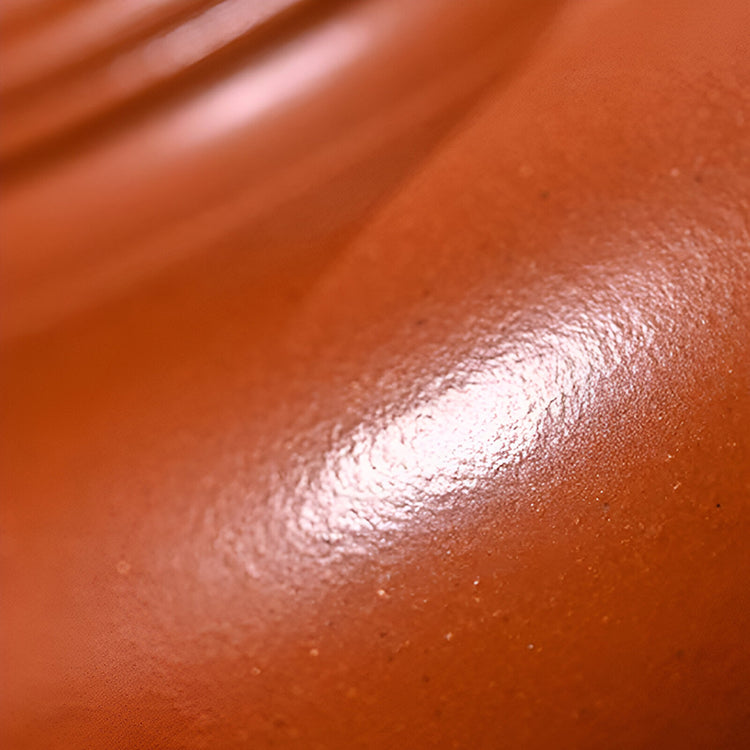
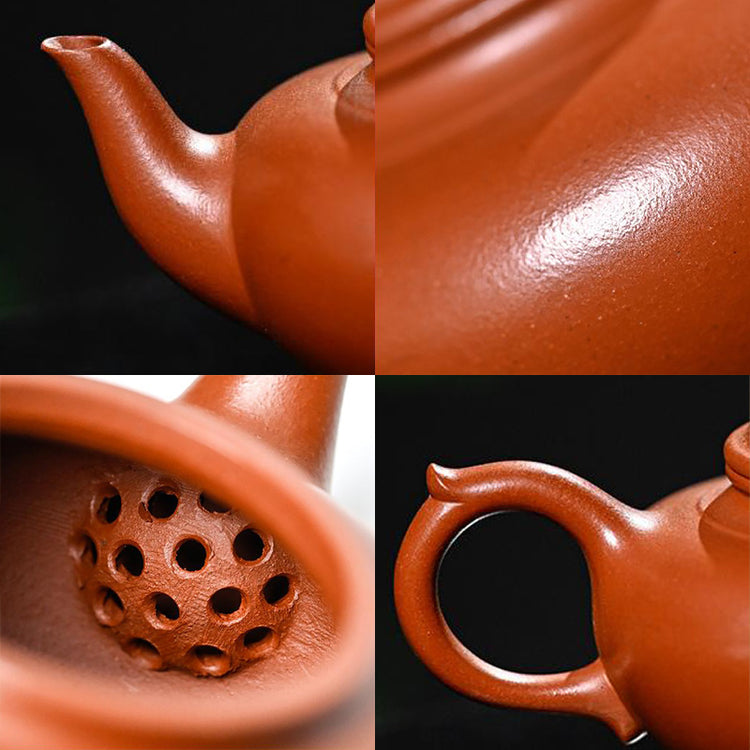
That’s a natural characteristic of authentic, unglazed Zhu Ni clay. Unlike polished or glazed ceramics, Yixing Zisha is left raw to remain breathable. Tiny pits, sand-like specks, or a slightly bumpy texture (often called ‘orange peel’ effect) are signs of the clay’s purity and lack of synthetic smoothing agents. As you use the teapot, your manual handling, the oils from your hands, and tea residue will gradually fill these imperfections, creating a smooth, glowing patina. This is part of the ‘nurturing’ process that makes each teapot unique.
Can I brew any tea in the Smiling Cherry Zhu Ni teapot, or is it best dedicated to one type?
Because Zhu Ni is denser and less porous than Zi Ni or Duan Ni, it is more forgiving but still benefits from tea-type dedication. For the Smiling Cherry, we recommend committing it to one category—such as light oolongs (Tieguanyin, Baozhong), raw pu’er (sheng), or black teas—to let the clay absorb and enhance those specific volatile oils. The cherry shape and small capacity work especially well with high-aroma, high-temperature teas that benefit from the clay’s bright, clarifying character. Switching between tea types (like from a strong pu’er to a delicate green) can cause flavor cross-contamination.
The Smiling Cherry’s lid sometimes feels a bit tight when the pot heats up. Is this normal?
Yes, this is perfectly normal for a well-crafted Zhu Ni teapot. Zhu Ni has a higher coefficient of thermal expansion than other Yixing clays, meaning the lid and body expand slightly differently when hot water is poured in. A snug fit when heated actually indicates a precise, hand-finished seal—it helps lock in heat and aroma during steeping. When the pot cools, the fit should loosen back to room-temperature tolerance. If the lid sticks only when hot, simply rock it gently with a dry cloth; never force it, as it may chip. This snugness is a quality mark, not a flaw.
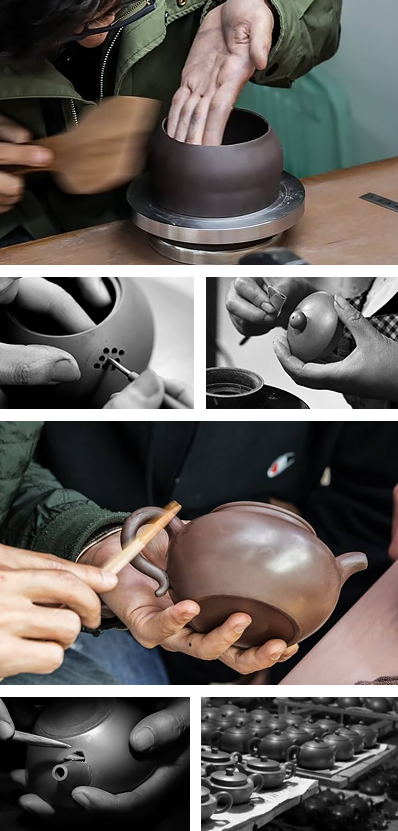
Making Process
Description
【Capacity】: 170 ML
Specification
Food-Safe:✔
Dishwasher:✖
Microwave:✖
Direct Heat on Stove:✖
Hot Water:✔
Description
【Capacity】: 170 ML
Specification
Food-Safe:✔
Dishwasher:✖
Microwave:✖
Direct Heat on Stove:✖
Hot Water:✔